

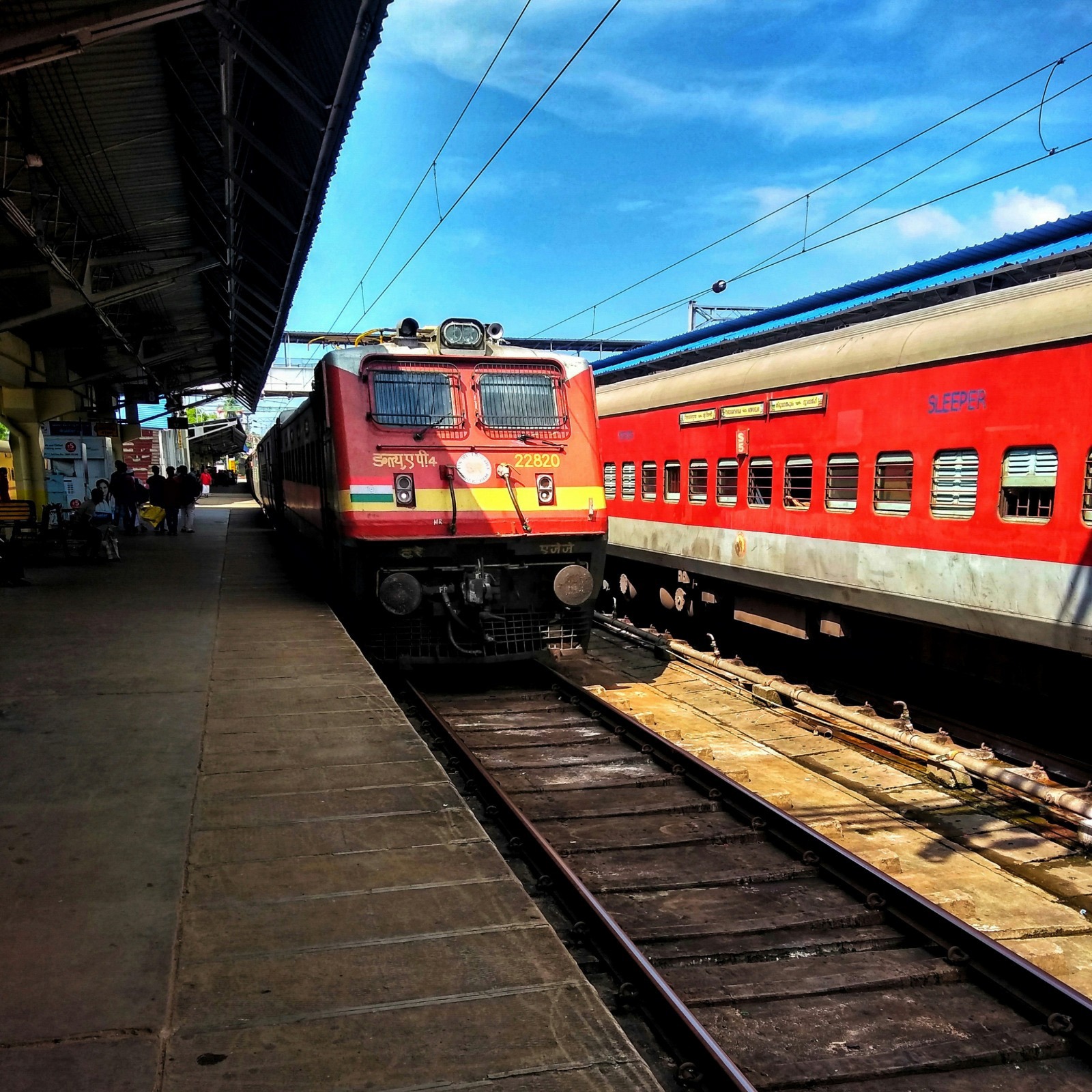
Photo by Adhirej J R Nair on Unsplash
NEW DELHI. Indian Railways will double its originating train capacity in 48 major cities across the country by the year 2030. Union Railway Minister Ashwini Vaishnaw announced this ambitious infrastructure roadmap today during a high-level review meeting. The plan focuses on eliminating chronic waiting lists by significantly increasing the number of trains starting from high-demand urban centers. This transformation involves building new platforms, dedicated freight corridors, and advanced signaling systems.
Strategic Growth via Indian Railways to Double Originating Train Capacity
The Ministry has identified 48 cities, including Delhi, Mumbai, Bengaluru, and Hyderabad, for immediate capacity augmentation. This project will add approximately 400 new platforms across these locations to handle the increased frequency of services. The government aims to ensure that every passenger can secure a confirmed ticket on demand. By doubling the starting capacity, the Railways can introduce hundreds of new Vande Bharat and Amrit Bharat Express trains.
Furthermore, the plan integrates with the ongoing Amrit Bharat Station Scheme. Over 100 major stations will undergo complete redevelopment to support the higher traffic volume. These stations will feature segregated entry and exit points, modern concourses, and multi-modal integration with city transport. The government believes this overhaul will modernize the passenger experience while boosting operational efficiency.
Enhancing Speed and Safety
The capacity expansion relies heavily on the completion of the Dedicated Freight Corridors (DFCs). By shifting cargo traffic to these special tracks, the Railways can free up the existing network for faster passenger trains. The Ministry is also deploying the Kavach 4.0 safety system across all major routes to allow higher speeds with absolute safety.
Additionally, the project includes the laying of third and fourth lines on critical trunk routes. This prevents bottlenecks and ensures that originating trains depart on time without being held up by passing traffic. The Railways will invest billions of dollars into this multi-year transition, funded through internal accruals and budgetary support.
The vision for Indian Railways’ train capacity marks a paradigm shift in national mobility. This initiative will not only improve passenger comfort but also drive regional economic growth by connecting markets more effectively. The government remains on track to deliver a world-class, waiting-list-free rail network by the end of this decade.
About the Author
