

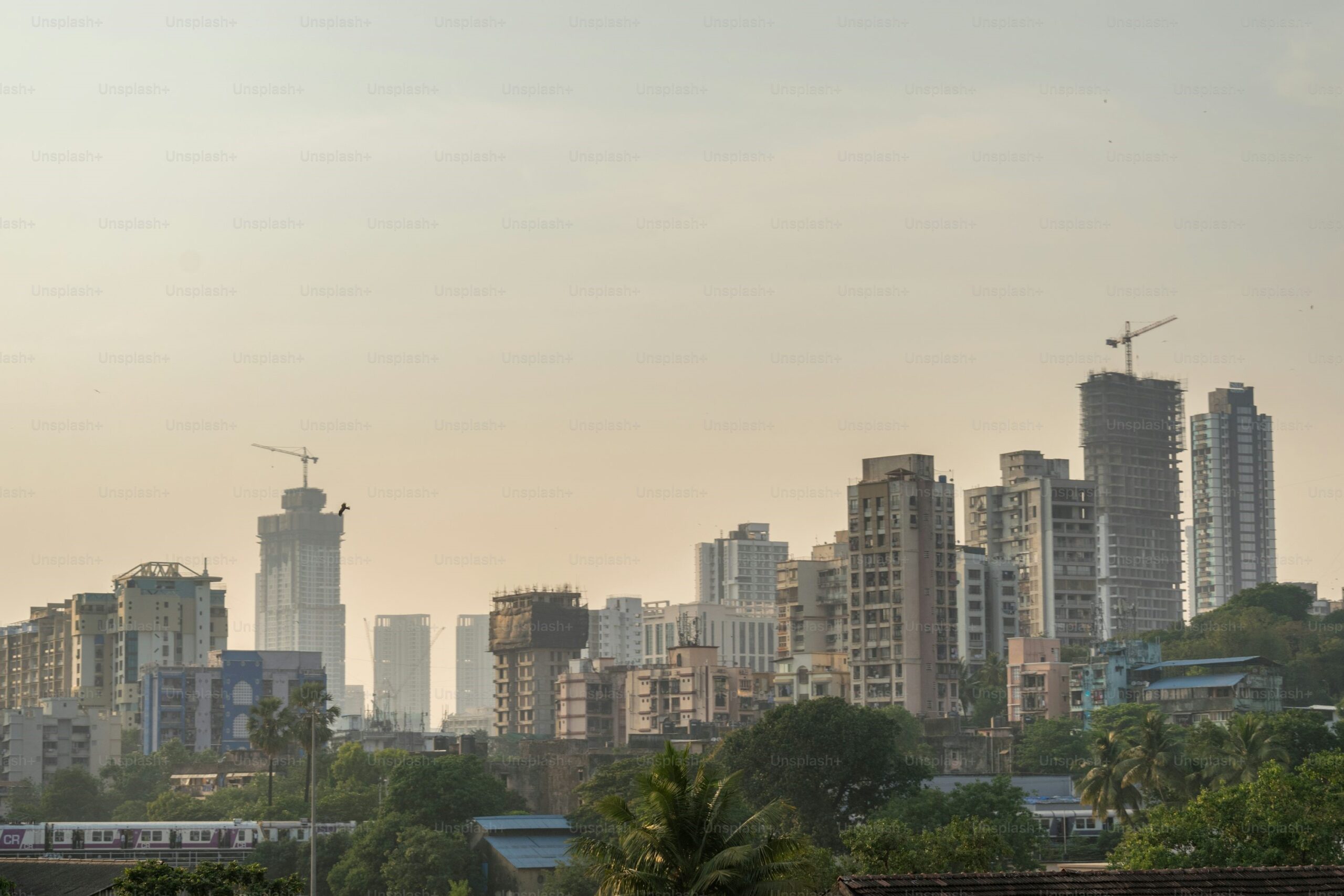
The year 2025 proves to be a story of consolidation and a rebalancing in the Indian realty sector. It was a market that drew serious capital and gradually reshaped how investors, developers and homebuyers viewed property. Improving market conditions, though still unfolding, made one trend unmistakably clear. Quality increasingly mattered as much as sheer volume.
According to market data, India’s real estate sector attracted a record USD 10.4 billion in institutional capital during 2025 that highlights a rise of nearly 17 per cent over the USD 8.9 billion recorded in 2024. From an investment perspective, domestic investors played a leading role.
This included REITs and Indian private equity funds, which together accounted for nearly 52 per cent of total capital deployed. Such a shift has become apparent after more than a decade. With capital availability improving, the focus moved towards predictable income streams, structured assets and quality locations, reinforcing the sector’s growing maturity.
 Residential sales across India’s top seven cities recorded lower volumes, during parts of 2025. Activity varied across price categories. Entry-level housing saw lower transaction volumes. Higher-priced homes have been in high demand this year as homes priced above ₹1 crore formed a larger share of transactions through the year. JLL data shows that during the first nine months of 2025, this category accounted for close to 62 per cent of residential sales, even as volumes in the sub-₹1 crore segment declined.
Even with an estimated 14 per cent drop in overall sales volumes across the top seven cities, the total value of homes sold moved higher, according to ANAROCK. The divergence between volume and value was evident through the year, with premium and luxury transactions contributing a larger share of overall sales activity.
Against this backdrop, Delhi-NCR remained one of the more active markets through much of the year. New project launches continued all throughout 2025 but largely in the premium and luxury segments. Buyer participation was higher than in earlier years. In Gurugram, launches included large, integrated developments such as M3M India’s Gurgaon International City.
According to industry and media reports, as well as overall market activity during the year, Noida recorded notable momentum driven by large residential developments in well-connected micro-markets. This included SmartWorld Developers’ ₹2,000 crore entry in Sector 98 and Great Value Realty’s luxury project Ekanam in Sector 107.
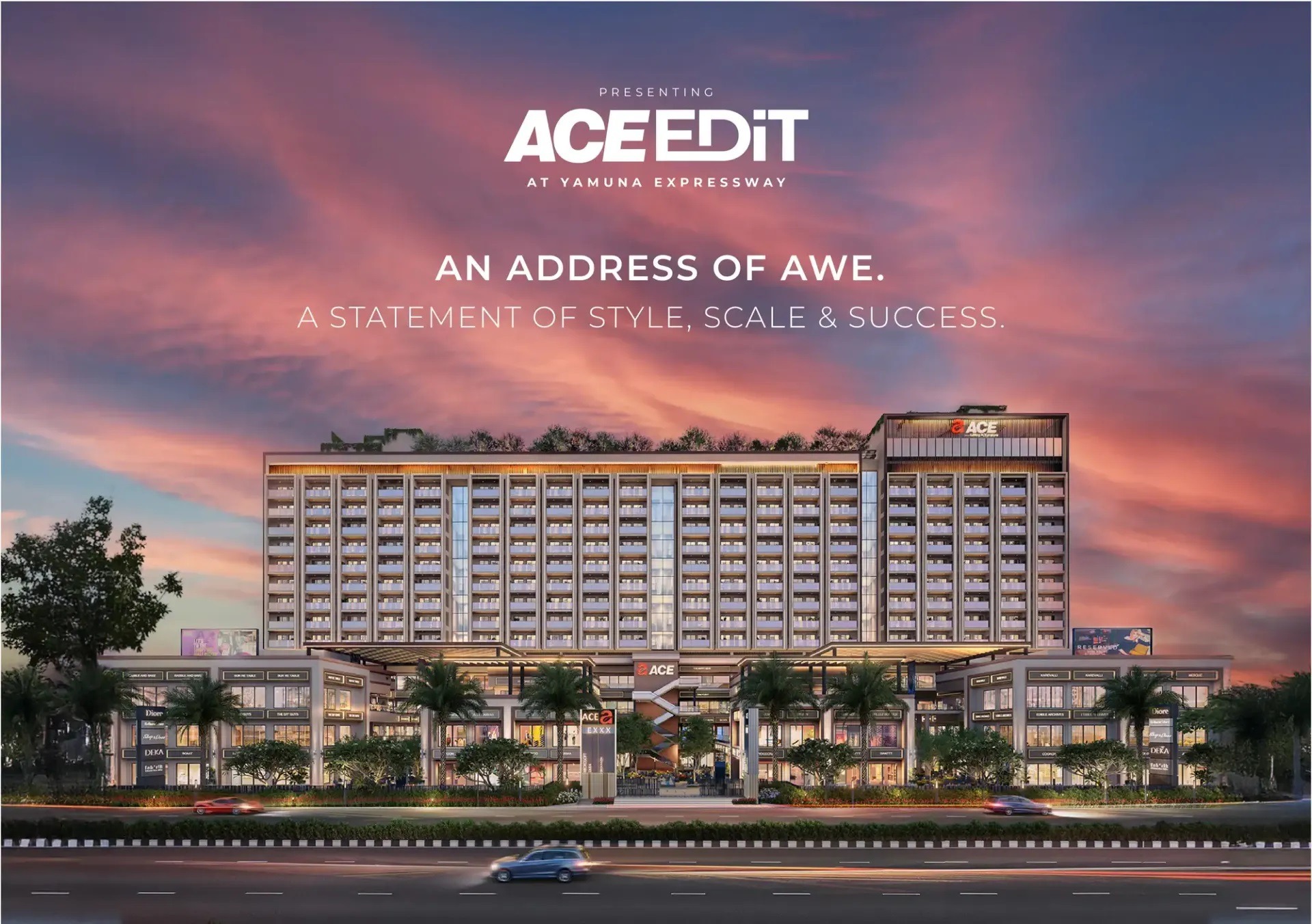
 Along the Yamuna Expressway, residential supply continued to build through premium projects such as ACE Edit, ACE Verde and ACE AcreVille Apartments by ACE Group. These additions were part of a broader improvement in buyer interest across several high-value housing corridors during the year.
At the same time, rising prices continued to affect affordability and the demand shifted across segments rather than slowing evenly across the markets. In the first nine months of 2025, the National Capital Region continued to lead sales activity, underlining the resilience of end-user demand in established markets.
Beyond residential housing, activity in the commercial real estate segment increased during 2025. Technology firms and professional services companies accounted for a larger share of office leasing across major cities. Net office absorption crossed 55 million square feet during the year, according to industry data. This equally improved the viability of co-working and hybrid workspace models.
A quieter yet meaningful trend have been the rise in demand beyond traditional metro centres. Tier-II cities such as Vizag and Lucknow recorded healthy buyer interest and increased developer activity. Property expos and on-ground initiatives in these markets recorded steady footfalls with interest centred around ready-to-move residential and commercial options.
 It is through 2025, the major market activities reflected consistent institutional participation while changing buyer preferences across segments. Developers and investors alike now carry forward the lessons of a year that prioritised structured growth, timely execution and sustainable demand.
As the calendar turns to 2026, the real estate sector is entering the New Year after a period of relative stability. The past year did not produce sharp shifts, but it did bring greater consistency across residential and commercial markets.
About the Author
