

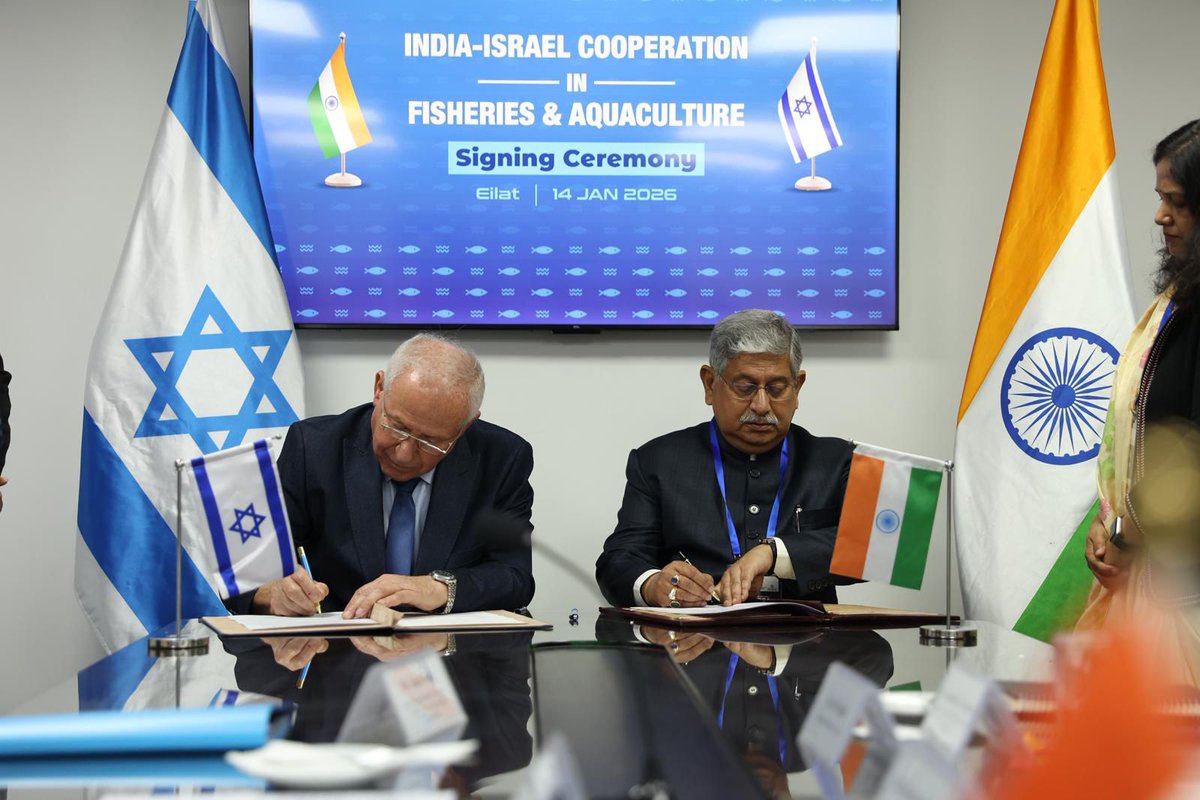
NEW DELHI. India-Israel fisheries cooperation has reached a new height following the signing of a Joint Declaration of Intent. The agreement focuses on strengthening ties in the fields of fisheries and aquaculture. Union Minister for Fisheries, Rajiv Ranjan Singh, and the Israeli Ambassador to India finalised the deal in New Delhi. This partnership aims to leverage Israel’s world-leading expertise in water management and desert aquaculture. It provides a structured path for modernising India’s vast aquatic resources.
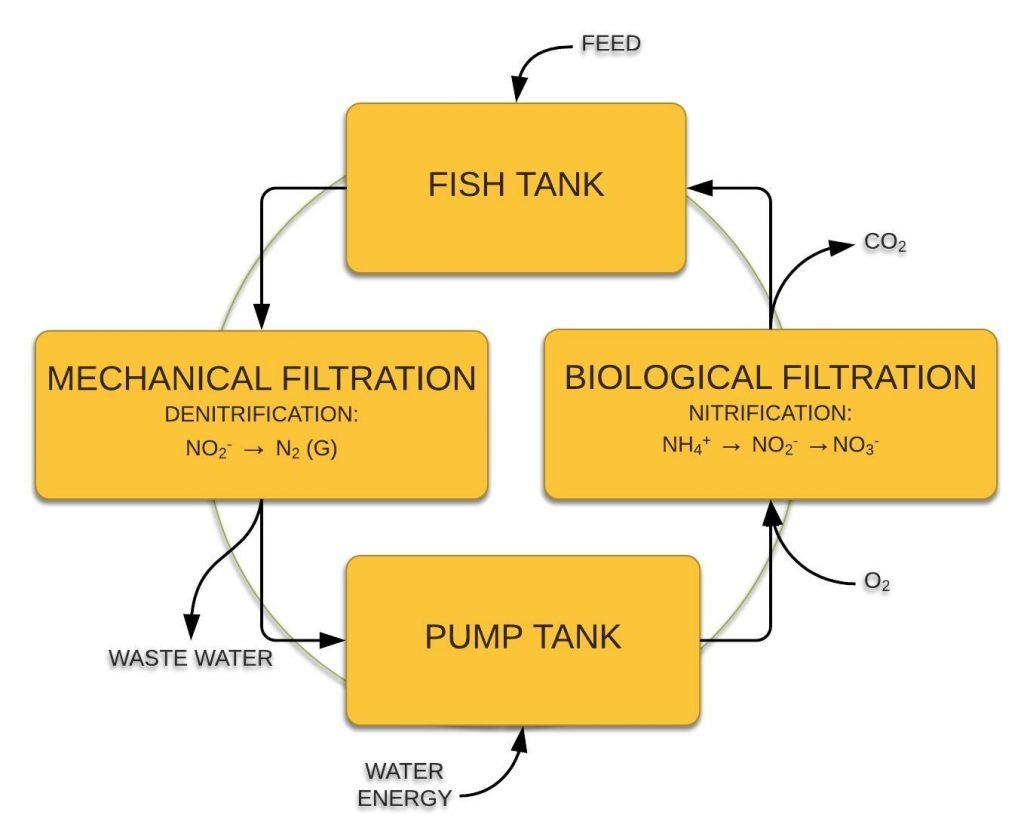
The joint declaration emphasises the transfer of advanced technologies to Indian fish farmers. India-Israel fisheries cooperation will specifically target the development of Recirculatory Aquaculture Systems (RAS). These systems allow for high-density fish farming with minimal water usage. Both nations also plan to collaborate on the genetic improvement of fish species and the development of high-quality fish feed. This exchange is expected to significantly increase the productivity of inland and brackish water fisheries.
Furthermore, the agreement highlights the importance of mariculture and open-sea cage culture. Israel’s experience in offshore farming will help India harness its long coastline more effectively. The partnership will also include joint research projects at various Centres of Excellence across India. These centres will serve as hubs for training and demonstration of Israeli technologies. The goal is to create a self-sustaining ecosystem that benefits small-scale fishers and large enterprises alike.
 Sustainable Practices and Economic Growth
A primary objective of the India-Israel fisheries cooperation is the promotion of sustainable fishing practices. Both countries have committed to sharing best practices for disease management and aquatic health. This focus ensures that the rapid expansion of the sector does not come at an environmental cost. The deal also opens new doors for private sector investments in cold chain infrastructure and processing units. These advancements will help reduce post-harvest losses and improve the quality of Indian seafood for global markets.
Additionally, the declaration facilitates regular exchange programmes for scientists, experts, and students. This human-centric approach ensures a long-term transfer of knowledge and skills. Minister Rajiv Ranjan Singh noted that Israel’s innovation-led approach perfectly complements India’s “Blue Transformation” goals. The cooperation is seen as a vital component of the broader strategic partnership between the two nations.
India-Israel fisheries cooperation is set to redefine the landscape of Indian aquaculture. By combining Israeli technology with Indian scale, both nations are poised to lead the global blue economy. As the implementation begins, stakeholders expect a measurable increase in both production volumes and export earnings.
About the Author
