

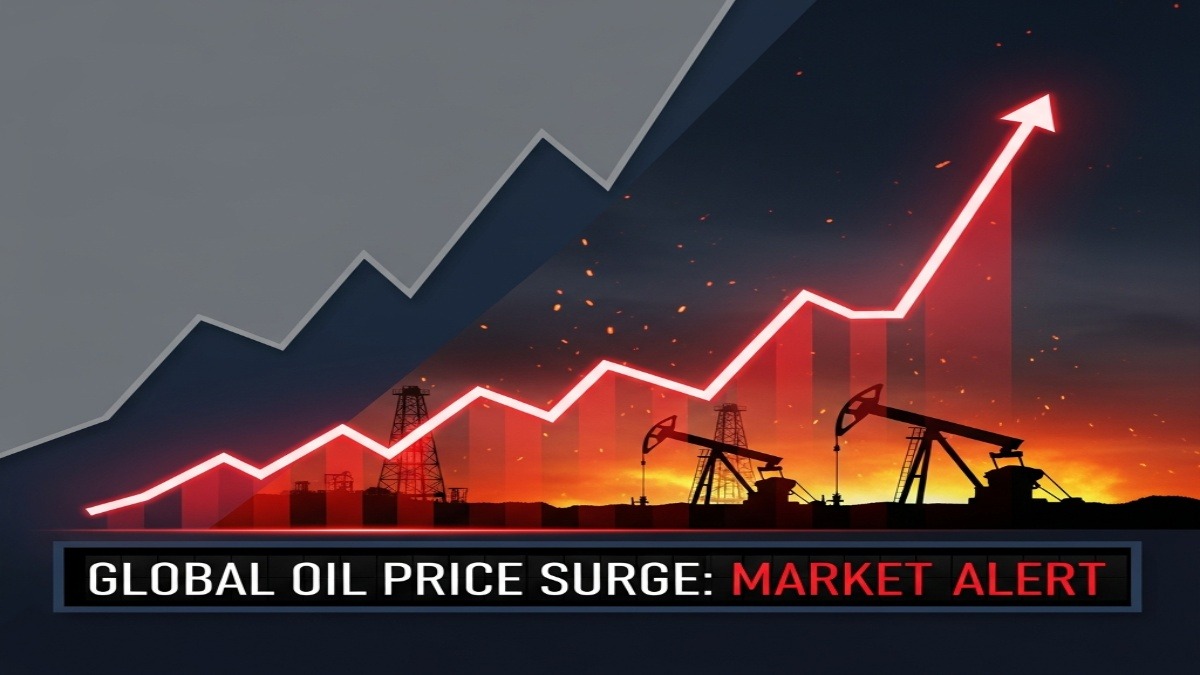
LONDON, March 5, 2026. International oil markets witnessed an unprecedented 25 per cent jump in prices today. This historic Global oil price surge follows the rapid escalation of the war in Iran. Brent crude futures surged past record levels within hours of the latest military strikes. Energy traders describe the current market activity as total chaos. The Global oil price surge reflects deep fears of a total regional supply shutdown. Most analysts expect prices to remain at these elevated levels for several weeks. Major stock exchanges halted energy trading multiple times during the morning session. Consequently, the Global oil price surge continues to dominate international financial headlines.
Market Volatility and Record Price Jumps
The Organization of the Petroleum Exporting Countries (OPEC) called for an emergency meeting this evening. Members must address the immediate impact of the Global oil price surge on global reserves. Many Western nations are already releasing oil from their strategic stockpiles to stabilise the market. However, these measures fail to stop the ongoing Global oil price surge so far. Brent crude reached its highest daily percentage gain in the history of modern trading. Investors are moving capital into gold and other safe-haven assets to avoid losses. Thus, the energy sector remains the centre of intense global scrutiny.
Geopolitical Tensions and Supply Chain Risks
Military operations near the Strait of Hormuz create a direct threat to maritime oil transport. This narrow waterway handles nearly twenty per cent of the world’s total oil consumption. Any blockage there would accelerate the Global oil price surge even further. Shipping companies now pay much higher insurance premiums to move cargo through the region. Some tankers are currently anchored in safe waters to wait for new security instructions. Meanwhile, the Ministry of Petroleum and Natural Gas (MoPNG) in India monitors the situation closely. India imports a vast majority of its crude requirements from these regional suppliers. Therefore, the domestic impact of the price spike remains a major concern for New Delhi.
Economic Implications for Major Consumers
Strategic experts believe that higher energy costs will fuel global inflationary pressures. The rising Global oil price surge hurts the recovery of manufacturing and transport industries. Chancellor Friedrich Merz recently emphasised the need for diversified energy sources across Europe. He noted that high energy prices threaten the industrial competitiveness of many nations. Governments must find ways to protect their citizens from rising heating and transport costs. Furthermore, many central banks might delay planned interest rate cuts due to these price spikes. The global economy now faces a period of high risk and extreme unpredictability.
Finally, the situation in the Persian Gulf remains extremely fluid as military activities intensify. Traders expect further price fluctuations if the conflict spreads to neighbouring oil-producing countries. No clear path toward market stabilisation exists at this current moment. Most energy firms have suspended their long-term price projections until the violence subsides. The world remains on high alert as the energy crisis deepens.
Oil Market Status (March 2026)
| Parameter | Detail / Attribution |
|---|---|
| Market Event | 25% record daily jump in crude prices. |
| Key Driver | Escalating military conflict in Iran. |
| Asset Impact | Global oil price surge in Brent and WTI crude. |
| Supply Risk | Potential blockade of the Strait of Hormuz. |
| Response | Emergency OPEC meeting and strategic reserve releases. |
| Macro Impact | Increased global inflation and transport cost spikes. |
About the Author
