

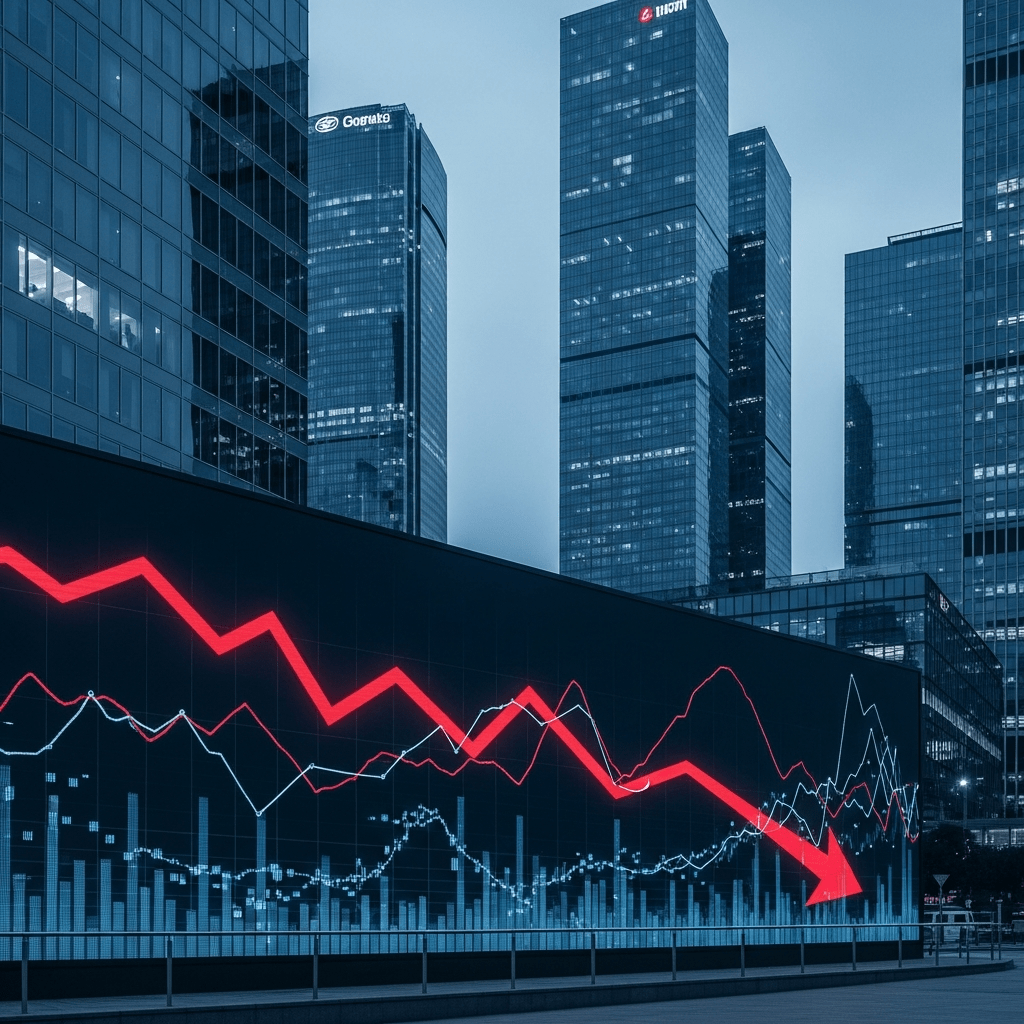
LONDON. Experts are now measuring the impact of the Iran War on international trade. Recent business surveys show a sharp decline in industrial confidence across major markets. The flash Purchasing Managers’ Index (PMI) data from S&P Global highlights significant risks. Manufacturing output in the Eurozone dropped to a $24$-month low of $46.2$ points. Business leaders across Europe fear the impact of the Iran War will trigger a recession. Firms report that energy price spikes have forced them to scale back production. Brent crude remains stubbornly high at over $\$120$ per barrel. Most companies now anticipate higher operational costs for the remainder of the year.
Manufacturing Stalls and Supply Chains Strain
Flash PMI data from S&P Global highlights the impact of the Iran War on factory output. Manufacturing sectors report a significant slowdown due to rising energy costs. In the United Kingdom (UK), service sector growth slowed to just 50.1 points this month. Anything below $50.0$ indicates an actual contraction in economic activity. Supply chain delays also reached their worst levels since the pandemic era. Shipping routes through the Strait of Hormuz remain largely blocked for commercial tankers. Consequently, raw material costs increased by nearly 30% for many manufacturers. Logistics firms have already implemented emergency surcharges for all international shipments.
Regional Turmoil and Asian Manufacturing
Manufacturers in Japan struggle with the impact of the Iran War as energy costs rise. The manufacturing hub reported a significant drop in export orders this month. The disruption of trade routes through the Gulf affects $80\%$ of their energy imports. Retailers fear a prolonged downturn in consumer spending power. Higher fuel costs translate directly into increased prices for food and essential goods. Central banks monitor these developments to decide on future interest rate hikes. The Federal Reserve in the United States (US) expressed caution regarding persistent inflationary pressures. Governments are drafting contingency plans to mitigate the impact of the Iran War.
Strategic Resilience and Market Outlook
Chancellor Friedrich Merz in Germany warned that the industrial heart of Europe faces a recession. He called for urgent energy diversification to protect the regional economy. Meanwhile, global markets remain volatile while analysts calculate the final the impact of the Iran War. Many companies are shifting production to regions with more stable energy supplies. Prime Minister Narendra Modi recently briefed the Lok Sabha on the national economic fundamentals. He noted that India’s strategic reserves provide a temporary buffer against price shocks. However, the private sector remains wary of long-term investment in this volatile environment.
Finally, the success of global recovery depends on the immediate de-escalation of hostilities. Business sentiment will likely remain depressed until trade routes become safe again. Most experts predict a further cooling of the global Gross Domestic Product (GDP) by $1.5\%$ this year. Future growth will require a return to predictable energy markets. In summary, the global economy faces a period of extreme uncertainty.
Global Business Survey Data
| Region / Indicator | Current Value | Status / Trend |
|---|---|---|
| Eurozone Manufacturing PMI | $46.2$ | $24$-month low. |
| UK Services PMI | $50.1$ | Stalling growth. |
| Oil Price (Brent) | $>\$120$ | High volatility. |
| Logistics Costs | $+\$30\%$ | Significant increase. |
| Asian Export Orders | $-\$12\%$ | Declining demand. |
| Recession Probability | High | Rising risks. |
About the Author
