

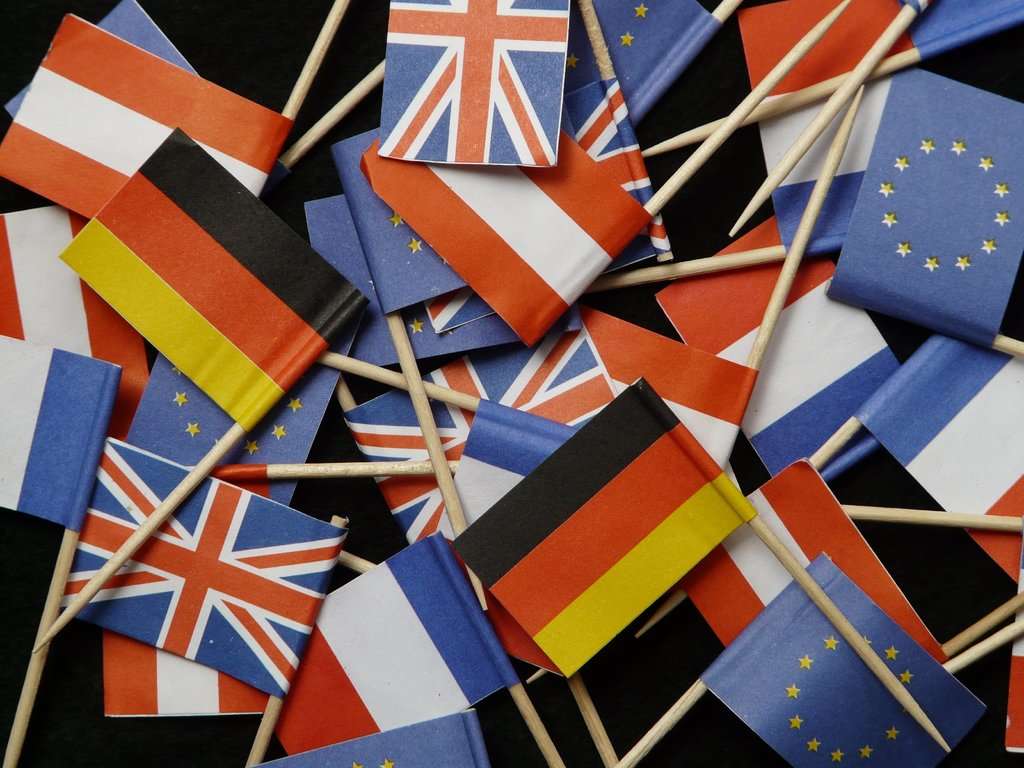
BRUSSELS. The European Commission (EC) issued a high-level warning to its 27 member states today. Officials urged governments to prepare for long-term instability as the war in Iran escalates. The Energy Commissioner addressed a press conference in Brussels earlier this afternoon. She stated that the continent faces a massive global energy shock due to the conflict. Most analysts expect this disruption to last through the next winter season. Brent crude prices surged past 125 dollars per barrel following the latest maritime skirmishes. The European Union (EU) seeks to minimize the impact through collective gas purchasing. This strategy aims to prevent extreme price spikes for industrial and domestic consumers.
Strategic Shifts and Industrial Stability
Chancellor Friedrich Merz in Germany called for an emergency summit of leaders to address the crisis. He argued that industrial stability depends on immediate diversification away from the Persian Gulf. Any prolonged global energy shock threatens the heart of European manufacturing. Many German firms have already reduced their production hours to save costs. The European Union (EU) has increased its reliance on Liquefied Natural Gas (LNG) from alternative sources. Supplies from the United States and Norway now provide the majority of the regional requirement. However, the total cost of energy imports has risen by nearly 40 per cent this year.
Demand Reduction and Strategic Reserves
Strategic gas reserves across the bloc currently stand at 85 per cent of total capacity. The European Commission (EC) mandated a 15 per cent reduction in gas consumption for all members. These measures seek to cushion the blow of the current global energy shock on the economy. A total halt in Iranian oil exports would create a global deficit of 2 million barrels daily. This shortfall would place immense pressure on the global shipping and logistics sectors. Member states must implement mandatory demand reduction measures for all non-essential industries. The current conflict complicates the transition toward green energy goals in the short term.
Global Energy Shock: Coordination and Economic Outlook
India and other major Asian economies also face similar challenges in the current environment. Prime Minister Narendra Modi recently highlighted that India expanded its energy sources to 41 countries. While India invested ₹700 billion in shipbuilding, the EU focuses on local pipeline infrastructure. International cooperation remains vital to prevent the current global energy shock from causing a total trade collapse. Most experts predict a cooling of the global Gross Domestic Product (GDP) by 1.5 per cent. Future growth will require a balance between regional peace and energy resilience.
Finally, the success of the European strategy depends on continued solidarity among all member states. Implementation of new energy corridors requires intense coordination with neighboring non-EU countries. Most experts monitor the global price of oil with a realistic and wary eye. Future stability remains unlikely until the geopolitical tensions in West Asia subside. In summary, the European Union prepares for a period of strategic economic endurance.
Global Energy Shock Metrics
| Indicator | Detail / Status |
|---|---|
| Leading Authority | European Commission (EC). |
| Current Context | global energy shock impacts. |
| Brent Crude Price | Over 125 dollars per barrel. |
| Gas Reserve Level | 85 per cent of total capacity. |
| Demand Reduction | 15 per cent target for all members. |
| Import Diversification | Focus on LNG from US and Norway. |
About the Author
