

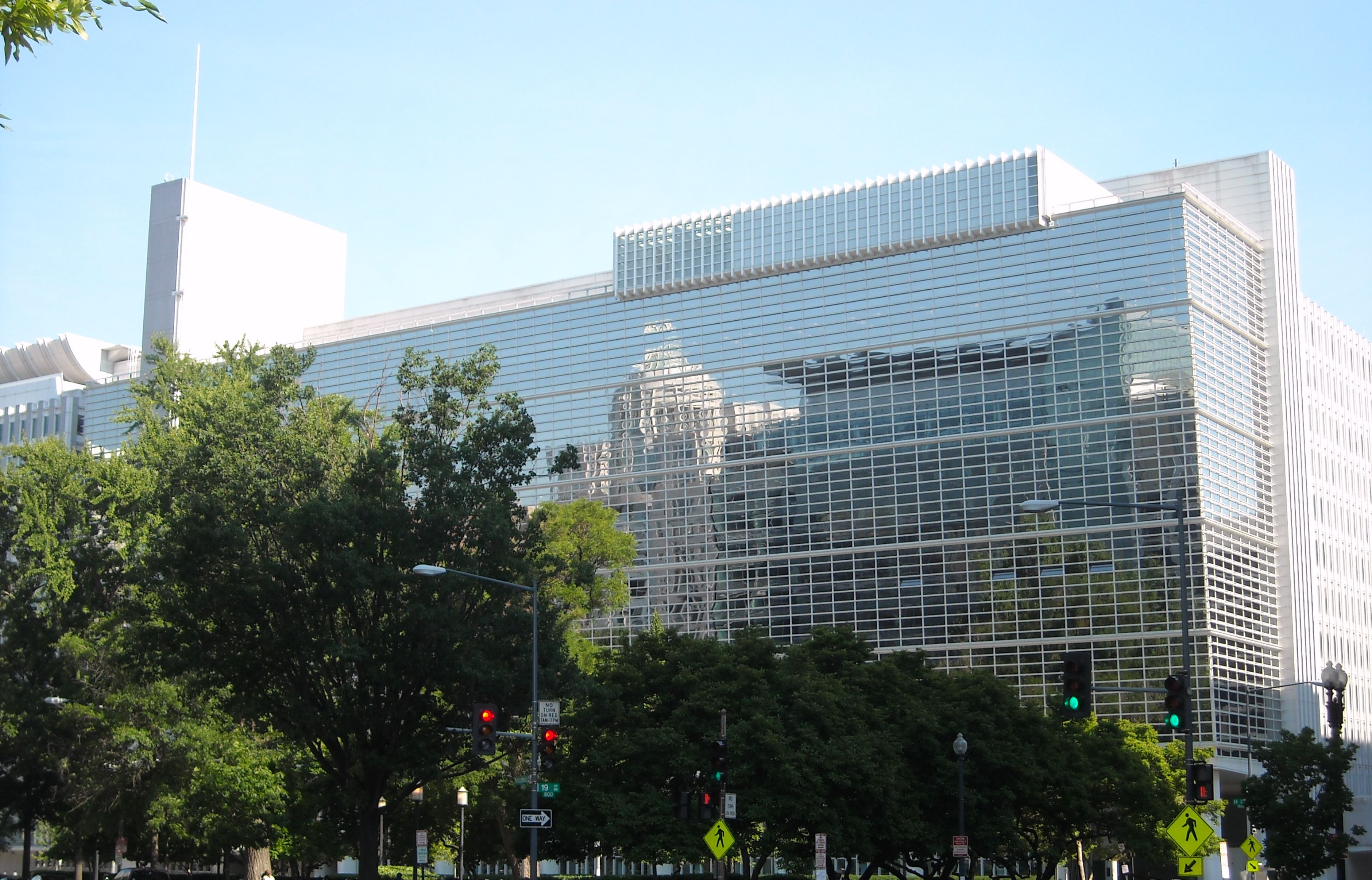
NEW DELHI. India continues to maintain a strong economic growth momentum, according to the World Bank. The latest South Asia Economic Update estimates the national growth at 7.6 per cent for the current financial year. This figure represents a significant increase over previous projections due to robust domestic consumption and investment activity. Robust domestic demand remains the primary driver of the India economic growth momentum 2026 across various urban markets. The World Bank credits sustained structural reforms for enhancing investor confidence and broad-based productivity gains. Furthermore, the report highlights the stability of the financial system as a key factor in supporting economic activity.
Resilience in Services and Manufacturing Sectors
The services sector remains a vital anchor for the overall India economic growth momentum 2026 this year. Services exports expanded by approximately 16 per cent recently despite global trade disruptions and geopolitical tensions. Segments such as information technology and business services contribute significantly to both export earnings and domestic activity. Manufacturing activity also gathered pace with industrial output growing at over 10 per cent annually. Production-linked incentive schemes successfully enhanced the output and competitiveness of the electronics and automotive sectors. Modern infrastructure improvements continue to support this rapid expansion across the primary industrial hubs.

Trade Outlook and Macroeconomic Stability
New free trade agreements with the European Union and the United Kingdom improve the long-term trade outlook. These agreements will likely result in lower prices for manufactured goods and expand market access for firms. The World Bank notes that the India economic growth momentum 2026 benefits from high macroeconomic stability. Inflation remained within the target range during most of 2025 due to lower food prices. Retail demand stayed steady following recent tax rationalisation measures and rising consumer confidence levels. Moreover, the Reserve Bank of India supported investment activity by reducing policy rates earlier in the year.
Navigating External Risks and Future Growth
The report acknowledges that rising energy prices and external risks persist in the global market. However, strong domestic fundamentals and a solid reform trajectory position the nation well for sustainable growth. Authorities continue to streamline taxation and strengthen the financial sector to boost long-term efficiency. Broad-based consumption gains for households will likely support the economy throughout the next decade. India continues to strengthen its position as a global leader in both services and industrial production. In summary, the international community remains optimistic about the future of the domestic economic landscape.
World Bank Economic Projections (FY26)
| Parameter | Details / Metrics |
| Growth Projection | 7.6 Per Cent. |
| Primary Metric | India economic growth momentum 2026. |
| Services Export Growth | 16 Per Cent. |
| Manufacturing Growth | 10 Per Cent+ annually. |
| Key Drivers | Domestic demand and structural reforms. |
| Inflation Status | Within target range. |
About the Author
