

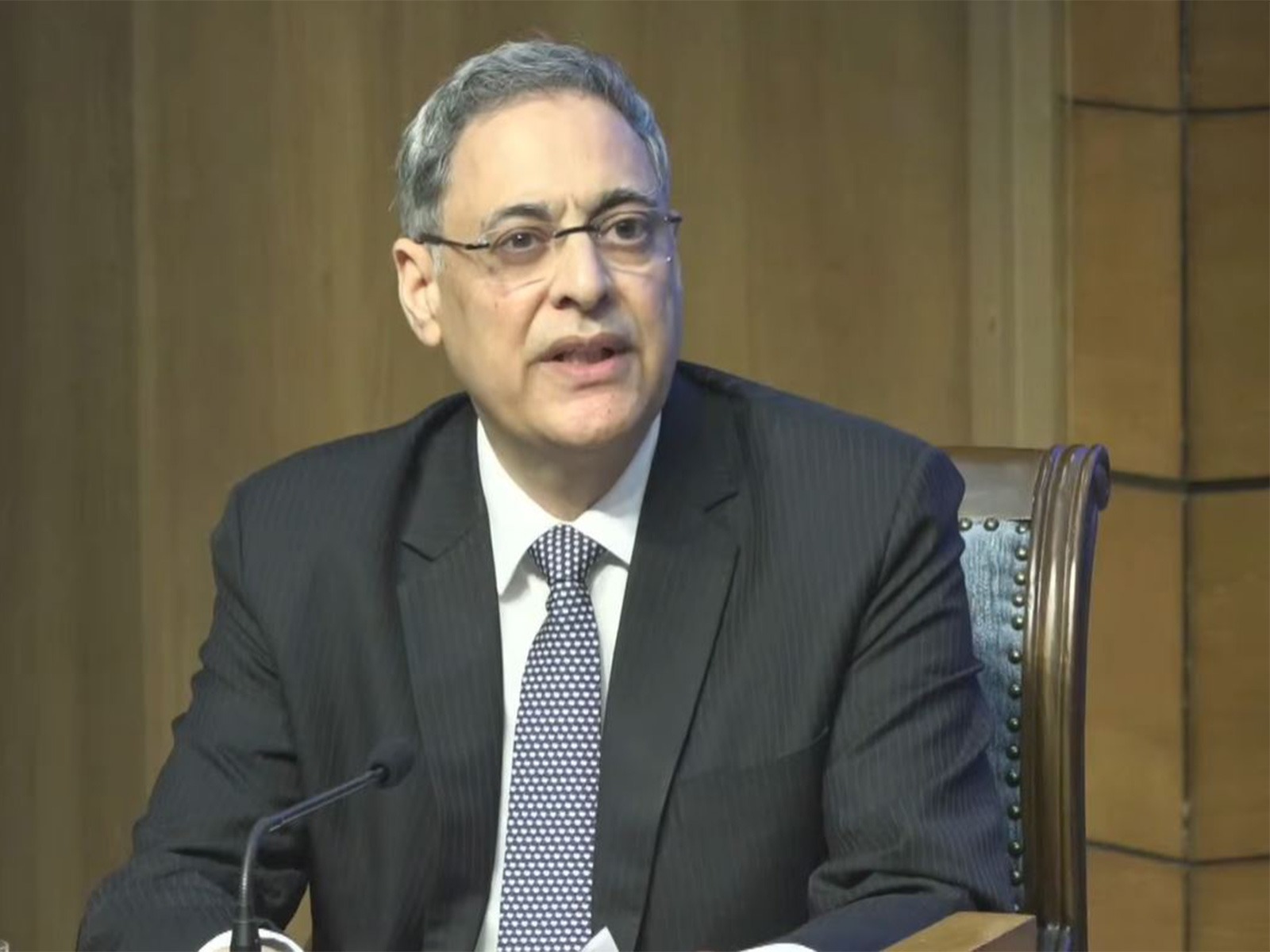
NEW DELHI. The Ministry of External Affairs (MEA) announced the successful repatriation of over 11 lakh Indian nationals today. This historic mission took place during a critical ceasefire window amidst the ongoing West Asia crisis. Spokesperson Randhir Jaiswal provided the official briefing alongside Joint Secretary (Gulf) Aseem Mahajan in New Delhi. They confirmed that the government prioritised the safety of citizens trapped in high-intensity conflict zones. The administration utilised every available hour of the temporary truce to coordinate flights and naval movements. Addressing the West Asia crisis required intensive diplomatic engagement with all regional stakeholders and international agencies. Both officials emphasised that the evacuation remains one of the largest humanitarian exercises ever conducted by India. The Prime Minister’s Office monitored the progress of the mission on a real-time basis throughout the week.
Diplomatic Strategy and Gulf Coordination
Joint Secretary (Gulf) Aseem Mahajan detailed the specific diplomatic manoeuvres required to secure safe exit corridors. He explained that India maintained constant contact with local authorities to ensure the ceasefire remained respected. This aspect of the West Asia crisis response involved complex negotiations to keep airspaces and ports open for rescue. Mahajan noted that the Gulf division worked tirelessly to verify the location of every registered Indian national. Indian embassies in the region acted as primary hubs for documentation and emergency logistical support. The Joint Secretary highlighted the cooperation received from regional partners in facilitating the transit of such a large population. These coordinated efforts prevented any major security lapses during the most sensitive phases of the operation.
Logistical Execution and Transport Operations
The Ministry utilised a combination of commercial carriers, military transport, and naval assets for the mission. During the West Asia crisis, Air India operated a record number of special sorties from multiple regional airports. The Indian Navy deployed several frontline warships to evacuate citizens from coastal cities under threat. Randhir Jaiswal stated that the government ensured every returnee received immediate assistance upon landing on Indian soil. Medical teams and immigration officers worked extra shifts to handle the massive influx of passengers at major terminals. The spokesperson clarified that the evacuation phase was largely successful due to the disciplined adherence to the ceasefire window. This logistical feat demonstrates India’s growing capacity to manage large-scale overseas emergencies under extreme pressure.
Ongoing Monitoring and Future Safety
The MEA continues to maintain a 24-hour control room to assist any citizens still remaining in the area. While the bulk of the evacuation is complete, officials remain alert to the volatile security situation. Managing the long-term impact of the West Asia crisis will involve the rehabilitation of those who lost their livelihoods. Randhir Jaiswal and Aseem Mahajan both urged citizens to stay informed through official government advisories only. Future safety protocols will integrate the lessons learned from this massive repatriation exercise to improve emergency response. The government reiterates its commitment to the welfare of the Indian diaspora across the globe. In summary, the successful return of 11 lakh people marks a proud moment for Indian diplomacy and logistics.
West Asia Repatriation Overview (2026)
| Official | Role / Responsibility | Key Contribution |
| Randhir Jaiswal | MEA Spokesperson | Official briefing and mission oversight. |
| Aseem Mahajan | Joint Secretary (Gulf) | Diplomatic corridors and Gulf coordination. |
| Primary Metric | West Asia crisis | Status: Over 11 Lakh evacuated. |
| Window | Strategic Ceasefire | Role: Utilised for safe passage. |
| Assets Used | Air, Sea, and Military | Outcome: Successful repatriation. |
About the Author
