

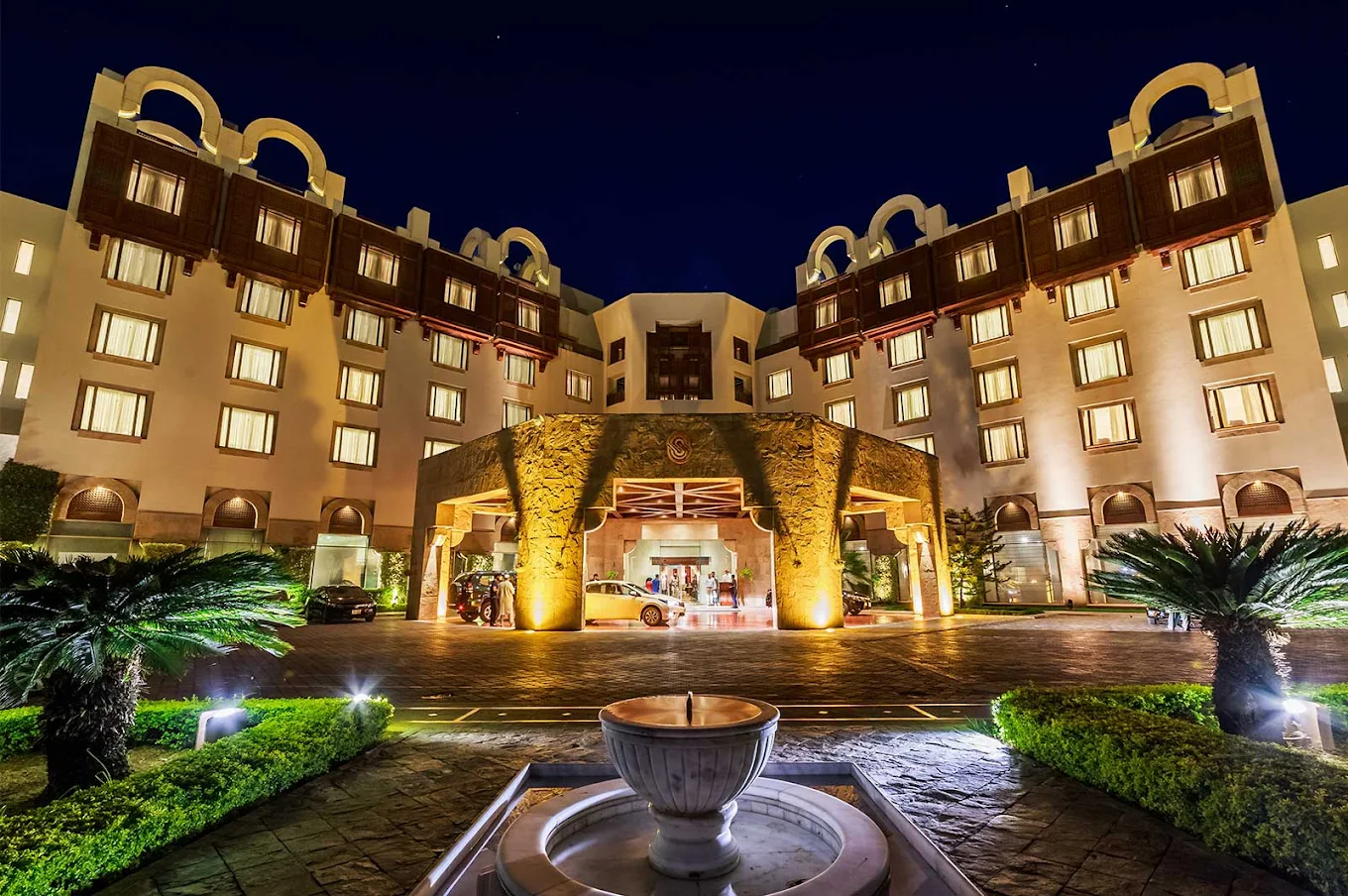
Located within the high-security Red Zone, the five-star the Serena Hotel has been requisitioned by the Government of Pakistan to serve as the secure site for high-level delegations.
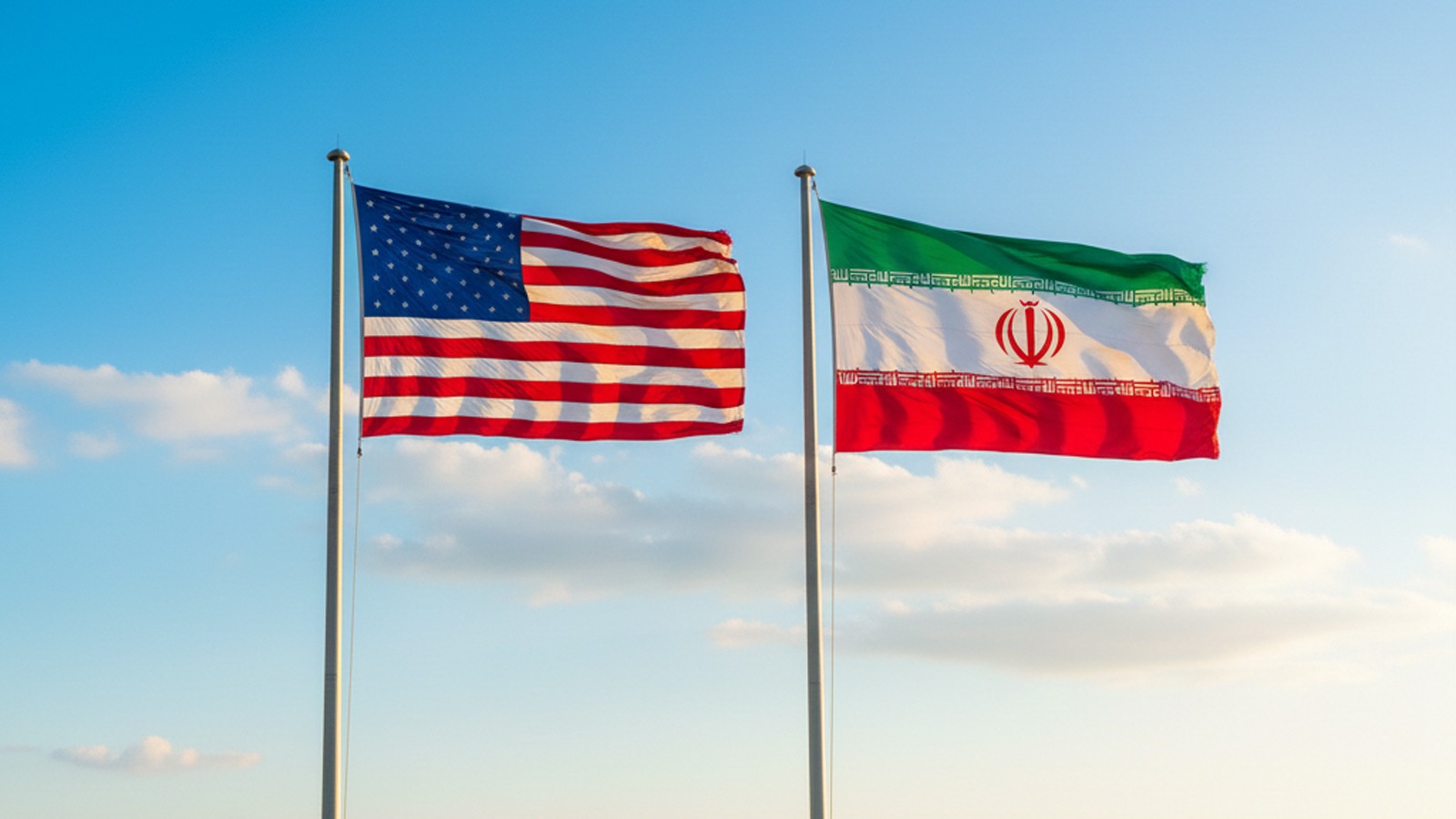
ISLAMABAD. The United States expressed confidence today that US-Iran peace talks will proceed in Pakistan despite significant hurdles and lingering uncertainty. While Tehran previously ruled out a second round of negotiations, a Pakistani source indicated that momentum is building for talks to recommence this Wednesday. U.S. President Donald Trump may attend the summit in person or virtually if a final agreement is reached. To facilitate these high-stakes discussions, U.S. Vice President JD Vance is scheduled to travel to Pakistan on Tuesday. An Iranian official stated that Tehran is “positively reviewing” its participation, though a final decision has not yet been confirmed. Over 20,000 security personnel have already been deployed across Islamabad to secure the venue for the potential summit.
Blockade Tensions and the Touska Seizure
Tensions remain high following the U.S. Central Command’s seizure of the Iranian commercial vessel, Touska, for allegedly violating the maritime blockade. Tehran condemned the boarding and demanded the immediate release of the vessel, its crew, and their families. Top negotiator Mohammad Baqer Qalibaf accused President Trump of using the blockade to turn the negotiating table into a “table of submission.” Iranian officials further chided Washington, labelling the seizure a ceasefire violation that creates a major obstacle to successful US-Iran peace talks. China, a primary buyer of Iranian crude, also expressed formal concern over the forced interception of the vessel. Tehran warned that it would use all its capabilities to defend its national interests if the escalation continues.
Economic Impact and Oil Market Volatility
Optimism surrounding the resumption of US-Iran peace talks caused Brent crude futures to decline by $1.04 to $94.44 a barrel. This follows a sharp 6% jump in prices on Monday when investors doubted the likelihood of a diplomatic breakthrough. President Trump has insisted on an agreement that prevents further oil price shocks and stock market volatility. However, he reiterated that any fair deal must ensure that Iran never develops a nuclear weapon. Tehran hopes to leverage its strategic control of the Strait of Hormuz to ease sanctions without impeding its nuclear programme. The historic shock to global energy supplies since the war began on February 28 continues to threaten the global economy with recession.
Ceasefire Deadline and Military Readiness
The two-week ceasefire is reportedly set to expire at 8 p.m. Eastern Time on Wednesday, or 3:30 a.m. Thursday in Iran. White House Press Secretary Karoline Leavitt stated that the United States is “on the brink of a deal” due to military operations and hardline negotiating styles. However, a senior Iranian military commander warned that forces are ready for an “immediate and decisive response” to renewed hostilities. President Trump warned that the U.S. would destroy every bridge and power plant in Iran if terms are rejected. In response, Iran threatened to strike power stations and desalination plants in neighbouring Gulf Arab states. The international community remains on high alert as the final hours of the ceasefire window approach in Islamabad.
US-Iran Negotiation Status
| Parameter | Details / Metrics |
| Host Nation | Pakistan (Islamabad). |
| Primary Metric | US-Iran peace talks. |
| Ceasefire Expiry | Wednesday, 8 p.m. ET. |
| U.S. Lead | Vice President JD Vance. |
| Iranian Lead | Mohammad Baqer Qalibaf (Top Negotiator). |
| Key Incident | Seizure of the vessel Touska. |
About the Author
