

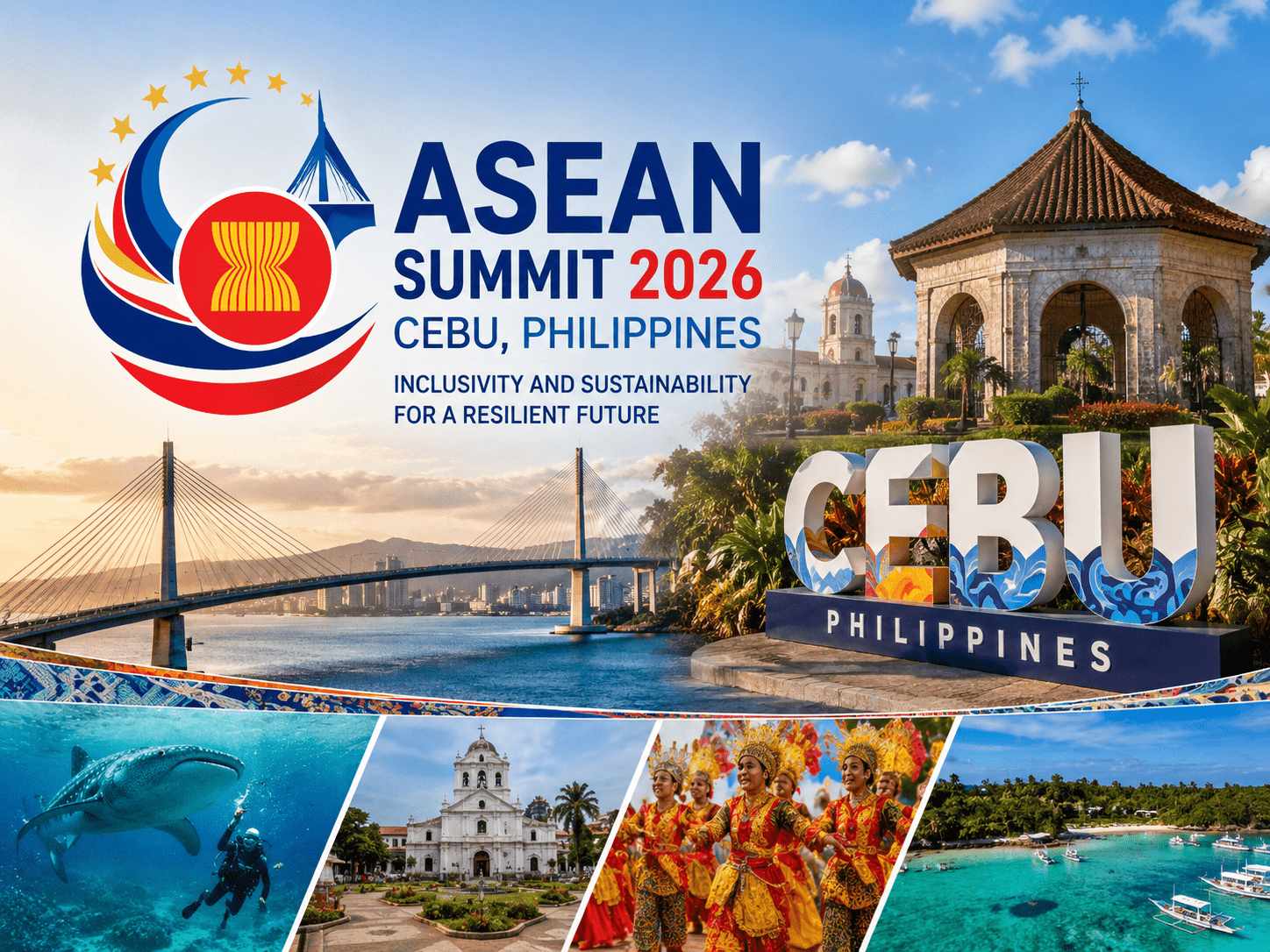
CEBU. The repercussions of the Middle East crisis took centre stage at the ASEAN meetings on Thursday as leaders called for unity. The ASEAN energy crisis weighs heavily on the 11-nation bloc following the blockade of the critical Strait of Hormuz. Philippine Foreign Affairs Secretary Ma. Theresa Lazaro stated that developments beyond the region have profound effects on the 700 million residents. As this year’s chair, the Philippines is pushing to expedite a regional oil-sharing framework agreement. Economic ministers proposed diversifying supply routes and streamlining crisis communications to mitigate the ASEAN energy crisis. The bloc seeks to strengthen institutional readiness as the Iran war continues to choke off vital energy supplies.
Addressing Border Disputes and Regional Tensions
Diplomats suggest that the current ASEAN energy crisis will test the chairmanship skills of the Philippines. President Ferdinand Marcos Jr. arranged a rare three-way meeting in Cebu with the prime ministers of Thailand and Cambodia. This meeting aimed to foster a positive atmosphere ahead of the Friday summit. Discussions addressed the fragile ceasefire along the 817-km Thai-Cambodia border following heavy artillery exchanges and air strikes last year. Thai Prime Minister Anutin Charnvirakul noted that the priority remains rebuilding trust between the two nations. While U.S. President Donald Trump intervened in earlier clashes, his efforts to halt the second flare-up were unsuccessful. These territorial skirmishes remain a significant challenge alongside the broader ASEAN energy crisis.
Practical Measures and Diplomatic Statements
Economic ministers identified concrete response measures to strengthen energy and food security on Thursday. A working draft of a statement indicates that ASEAN leaders will call for a halt in Middle East hostilities. The draft urges the reopening of the Strait of Hormuz to safeguard the unimpeded flow of energy. Former diplomat Laura del Rosario noted that the scale of the supply shock may push the bloc beyond mere rhetoric. The draft also encourages the swift ratification of a voluntary, commercial fuel-sharing pact. Such steps are seen as essential for protecting the $3.8 trillion combined GDP of the region. Addressing the ASEAN energy crisis remains the most urgent task for the collective economic stability of the member states.
ASEAN Ministerial Meeting Highlights
Myanmar Crisis and Re-engagement Efforts
Foreign ministers were also briefed on the ongoing crisis in Myanmar by special envoy Ma. Theresa Lazaro. Myanmar’s nominally civilian government is seeking to re-engage with the bloc following recent military-backed elections. However, ASEAN has not yet recognised the election or the leadership of President Min Aung Hlaing. The Philippines has called for the special envoy to be granted access to ousted leader Aung San Suu Kyi. This access is viewed as a sign of Myanmar’s genuine commitment to national reconciliation. These internal political divisions continue to complicate the bloc’s unified response to the ASEAN energy crisis. Leaders will continue these high-level deliberations during the formal summit on Friday.
About the Author
