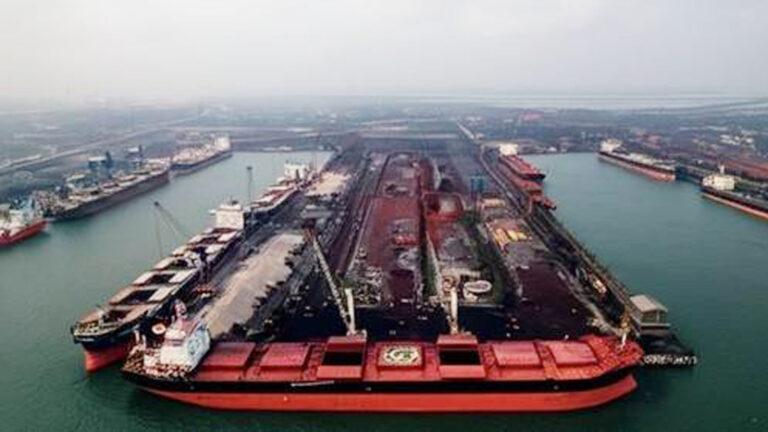

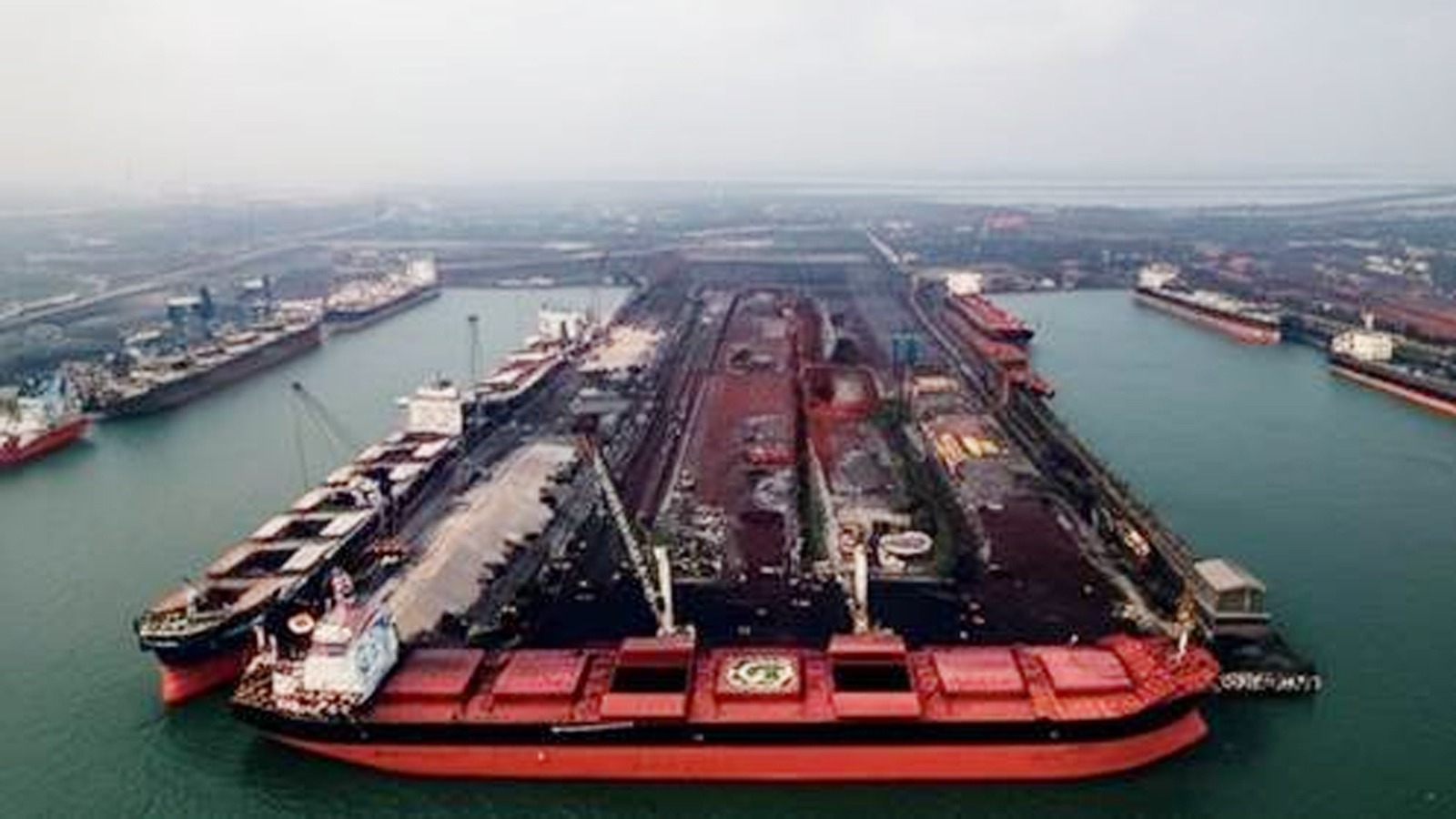
NEW DELHI. The Central Government has officially cleared a landmark infrastructure development to strengthen the nation’s renewable energy supply chain. Notably, the approval of the green hydrogen jetty project at Paradip Port involves an investment of 797 crore rupees. The Ministry of Ports, Shipping and Waterways (MoPSW) announced that the facility will handle the export and bunkering of green hydrogen and its derivatives. During the project review, officials noted that the jetty will specifically cater to the growing demand for green ammonia in international markets. Consequently, this initiative positions Odisha as a primary hub for clean energy logistics in the Bay of Bengal.
Logistics and the Green Hydrogen Jetty Project
Moreover, the Paradip Port Authority (PPA) will oversee the development under the Public-Private Partnership (PPP) model. This green hydrogen jetty project will initially handle 1.5 Million Tonnes Per Annum (MTPA) of clean fuel. The design includes specialised pipelines and cryogenic storage facilities to ensure safe handling. Because green hydrogen requires precise temperature controls, the project incorporates advanced cooling technologies. Similarly, the MoPSW plans to integrate the terminal with the existing railway and road networks. Therefore, these strategic interventions ensure that the green hydrogen jetty project operates at maximum efficiency.
In addition, the focus remains on achieving the targets set under the National Green Hydrogen Mission. The implementation of the green hydrogen jetty project supports the goal of producing 5 MTPA of green hydrogen by 2030. To support this, the government committed to providing a transparent regulatory framework for private investors. Since the port offers deep-draft capabilities, it can accommodate large specialised vessels for global trade. Furthermore, the authorities expect the project to generate significant technical employment in the region. Thus, these efforts reflect a coordinated approach to building a “Viksit Bharat” through sustainable industrialisation.
Economic Impact and Future Projections
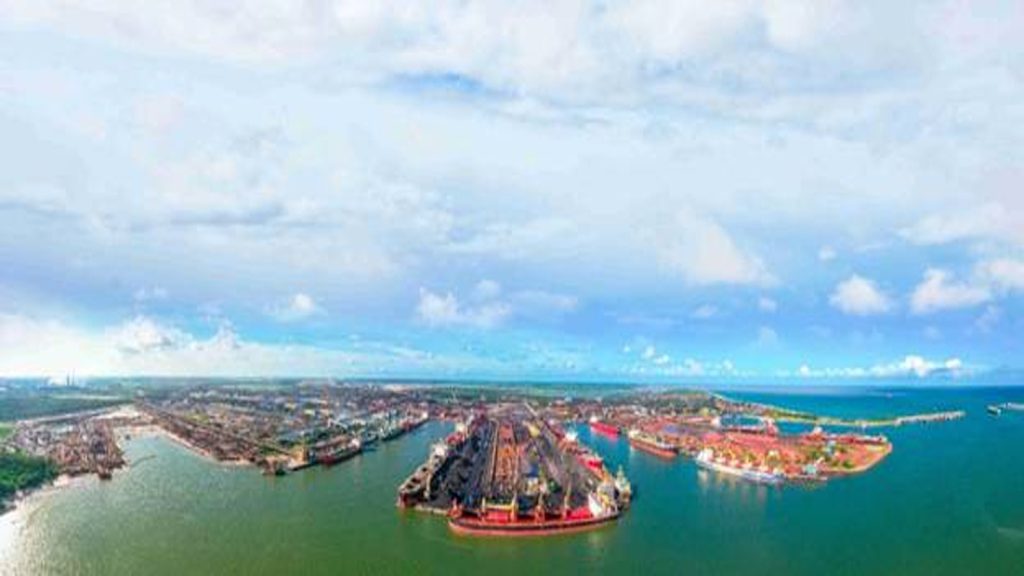
Beyond logistics, the facility will significantly contribute to the national Gross Domestic Product (GDP). Specifically, the green hydrogen jetty project will reduce the carbon footprint of India’s heavy industries and shipping sectors. Furthermore, the MoPSW stated that value-added clean energy exports fetch a premium in European and Asian markets. Meanwhile, industry experts expressed that the domestic availability of green fuels will lower input costs for local fertiliser plants. Consequently, the government has encouraged a transparent dialogue between the PPA and global energy majors to ensure project success.
On the other hand, the success of this transition depends on the timely completion of the supporting ecosystem. Specifically, the vision for the green hydrogen jetty project involves using solar and wind power for all onsite operations. Since India contributes a significant portion of the world’s incremental demand for green solutions, this roadmap is vital. Furthermore, the MoPSW continues to identify more ports for similar clean energy upgrades. In summary, the government remains committed to this innovative path of economic and environmental management.
Paradip Port Clean Energy Insights
| Parameter | Detail / Attribution |
|---|---|
| Project Cost | 797 crore rupees (Approved). |
| Leading Authority | Ministry of Ports, Shipping and Waterways (MoPSW). |
| Location | Paradip Port, Odisha (PPA). |
| Initial Capacity | 1.5 Million Tonnes Per Annum (MTPA). |
| Core Objective | Supporting the National Green Hydrogen Mission. |
| Model | Public-Private Partnership (PPP). |
About the Author