

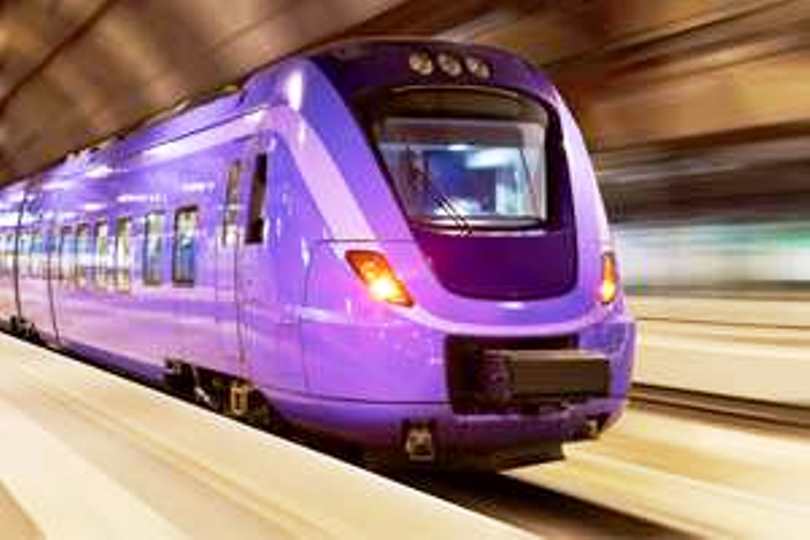
NEW DELHI. Delhi Metro Phase V-A received a major boost today as the Union Cabinet cleared three new corridors at an estimated cost of ₹12,014.91 crore. Prime Minister Narendra Modi chaired the meeting that approved this massive infrastructure expansion. This new phase aims to bridge critical connectivity gaps across the National Capital Region (NCR). The project will add approximately 30 kilometres to the existing network, easing the daily commute for lakhs of residents. Prime Minister Modi said it will significantly expand the national capital’s metro network, improving ease of living and reducing traffic congestion. In a post on social media platform X, the Prime Minister said the Cabinet’s decision would give a major boost to Delhi’s infrastructure and strengthen urban mobility.
Delhi Metro Phase V-A: Expanding Connectivity
The approved corridors include the Rithala-Bawana-Narela-Kundli line, the Lajpat Nagar-Saket G-Block line, and the Inderlok-Indraprastha line. These routes target some of the most congested and rapidly developing areas of the city. The Inderlok-Indraprastha corridor will act as a vital link between West and East Delhi, reducing travel time significantly. Meanwhile, the extension to Kundli marks another major step in integrating Haryana deeper into the metro network.
Furthermore, the project features a mix of elevated and underground sections. This design ensures minimal disruption to existing surface traffic while maximizing station accessibility. The government will fund the project through a combination of central assistance, state contributions, and international loans. This financial structure ensures the timely completion of the project without straining a single source.
Economic Impact and Urban Growth
The expansion will stimulate significant economic activity along the new routes. Better connectivity often leads to a rise in property values and the development of new commercial hubs. Minister for Urban Development highlighted that the project would also generate thousands of direct and indirect jobs during the construction phase.
Additionally, the new lines will integrate seamlessly with existing corridors. Interchange stations will allow commuters to switch lines without exiting the system, improving the overall efficiency of the DMRC network. The government expects these three corridors to become operational within the next five years.
Delhi Metro Phase V-A represents the government’s commitment to world-class urban mobility. By investing in sustainable public transport, the Cabinet aims to reduce private vehicle reliance and lower the city’s carbon footprint. This approval ensures that Delhi remains at the forefront of global metropolitan infrastructure.
About the Author
