

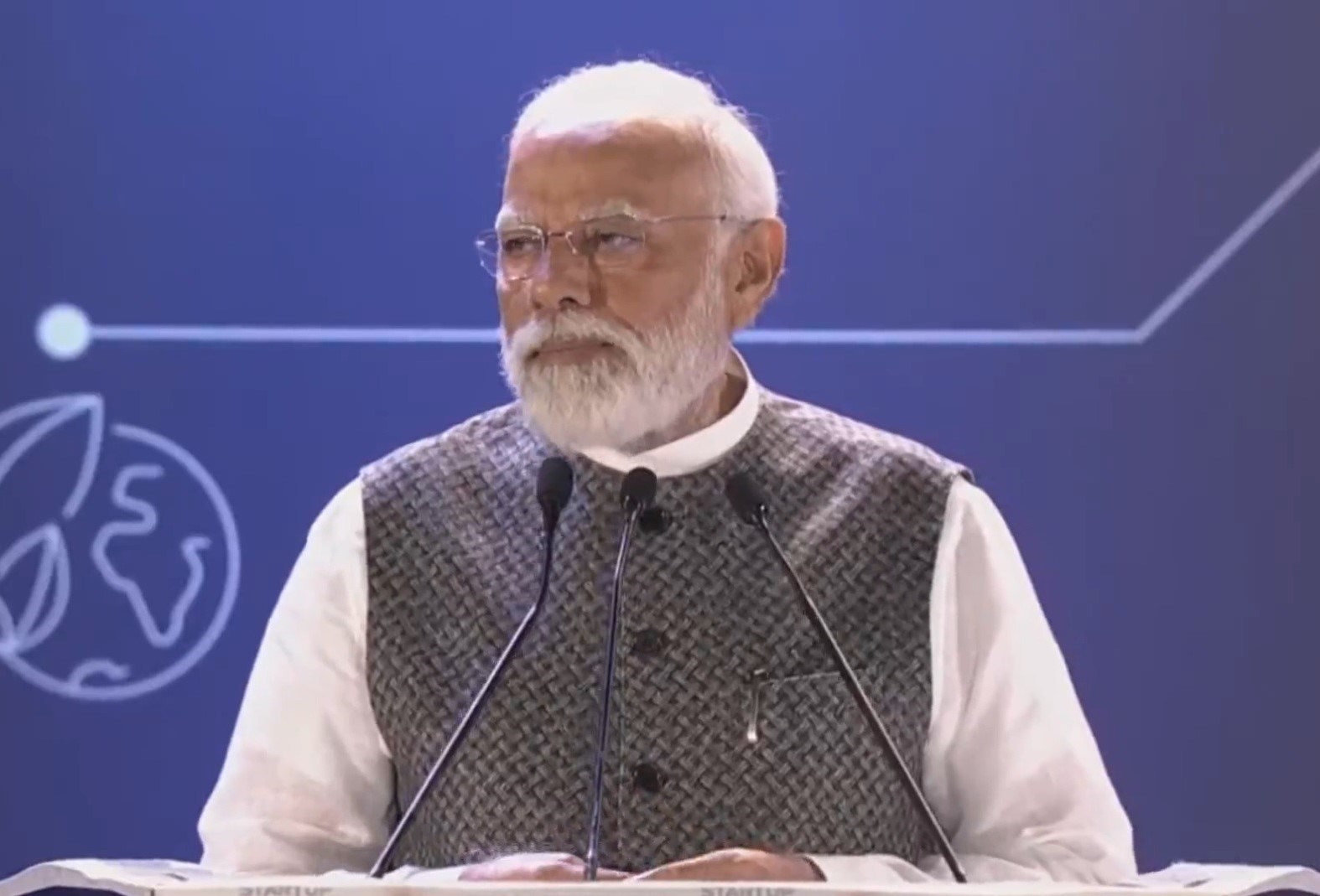
Prime Minister Narendra Modi
NEW DELHI. Prime Minister Narendra Modi addressed the nation today regarding the ongoing conflict in West Asia. He stated that the war has continued for more than three weeks. This situation creates a serious energy crisis across the world. India’s primary objective remains the restoration of peace through dialogue and diplomacy. The Prime Minister described the disruptions in the Strait of Hormuz as unacceptable. He assured the public that India makes continuous efforts through dialogue and diplomacy to protect Indian ships. This conflict affects critical trade routes and disrupts the regular supply of essential commodities. Specifically, the war impacts the movement of petrol, diesel, gas, and fertilisers. However, ships loaded with crude oil and Liquefied Petroleum Gas (LPG) recently arrived in India from several countries.
Protecting Indian Lives and Livelihoods
Nearly 10,000,000 Indians currently live and work in the Gulf countries. The Prime Minister emphasised that their safety remains a major concern for the government. He expressed these concerns while pitching for dialogue and diplomacy to stabilise the region. A large number of ships from around the world remain stranded in the Strait of Hormuz. Many Indian crew members are currently on board these trapped vessels. Since the beginning of the conflict, more than 375,000 Indians have returned home safely. Additionally, around 1,000 Indians have returned from Iran so far. The government believes that dialogue and diplomacy will ensure the safe arrival of all remaining citizens.
Strengthening Maritime and Defence Self-Reliance
The Prime Minister highlighted that over 90% of India’s trade currently depends on foreign ships. Therefore, the government invested around ₹700 billion to promote the construction of “Made in India” ships. Becoming self-reliant is the only viable path forward for the nation. Modi also noted that the defence sector has become more resilient over the last decade. India now manufactures most of its required weapons domestically. The government continues to use dialogue and diplomacy to minimise the adverse impacts of this crisis. The fundamentals of the Indian economy remain strong despite rapidly changing global conditions. A comprehensive strategy addresses the short-term, medium-term, and long-term impacts of the war.
Energy Diversification and Agricultural Support
The Prime Minister apprised the Lok Sabha of the steps taken for citizen safety. He informed the House that India expanded its energy import sources significantly. Over the past 11 years, the number of supplier countries grew from 27 to 41. This expansion reduces the national dependence on any single geographic region. Modi assured the Lok Sabha that dialogue and diplomacy support these diverse energy partnerships. The government also ensures the adequate availability of fertilisers for the upcoming sowing season. The Prime Minister explicitly assured farmers that the government stands with them in every situation. India remains committed to ensuring smooth supplies of petrol, diesel, oil, and gas.
Finally, the government closely monitors the situation to ensure minimal disruption to the common citizen. Prime Minister Modi reiterated that dialogue and diplomacy remain the core of India’s foreign policy. The nation continues to work with international partners to restore maritime order. Future economic growth depends on the resilience of these strategic trade corridors. In summary, India navigates this global crisis with a focus on self-reliance and peace.
National Security & Resource Status
| Parameter | Detail / Value |
|---|---|
| Primary Path | Resolution through dialogue and diplomacy. |
| Evacuation Total | Over $375,000$ Indians returned; $1,000$ from Iran. |
| Gulf Population | Nearly $10,000,000$ Indian residents at risk. |
| Maritime Investment | $₹700$ billion for “Made in India” shipbuilding. |
| Energy Sources | Expanded from $27$ to $41$ countries in $11$ years. |
| Trade Dependence | Over $90\%$ of trade currently on foreign vessels. |
About the Author
