

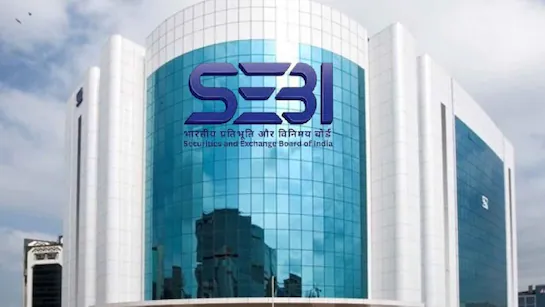
Image courtesy: https://www.newsonair.gov.in/
MUMBAI. SEBI revises rules to simplify the process for issuing duplicate securities and significantly update Basic Services Demat Account (BSDA) norms. The market regulator issued these circulars on Tuesday to assist small shareholders. These changes slash the paperwork required for lost share certificates. The regulator also increased the “Basic Services” threshold to reflect current market valuations. This double-pronged reform reduces the compliance burden on retail investors.
Streamlining Recovery as SEBI Revises Rules
The regulator has overhauled the complex procedure for obtaining duplicate share certificates. Previously, investors faced a web of affidavits and multiple newspaper advertisements. The new rules remove the mandatory “Bank Confirmation Letter” requirement. For values up to ₹5 lakh, investors no longer need to file a formal FIR. This change saves significant time and lowers legal costs for small investors.
Furthermore, the processing timeframe is now much shorter. Companies must issue duplicate securities within 15 days of receiving a complete application. Firms facing delays without a valid reason will pay strict penalties. This ensures that investors regain control of their assets quickly and can resume trading.
Boosting BSDA Limits for Small Investors
The regulator recently raised the value limit for Basic Services Demat Accounts. A BSDA is a “no-frills” account with low or zero maintenance charges. The maximum value for these accounts rose from ₹2 lakh to ₹10 lakh. This update protects small investors from rising stock prices. It allows them to keep their “Basic Services” status even as their portfolios grow.
Additionally, the fee structure for these accounts is now simpler. If the portfolio stays below ₹4 lakh, the annual maintenance charge is zero. For values between ₹4 lakh and ₹10 lakh, the charge is capped at just ₹100. These updates encourage wider market participation by removing the fear of high recurring fees.
Thus, SEBI revises rules to simplify the entire investor journey from account opening to asset recovery. The regulator continues to foster a transparent environment by aligning with modern digital standards. These reforms represent a major step toward total financial inclusion for all Indian citizens.
About the Author