

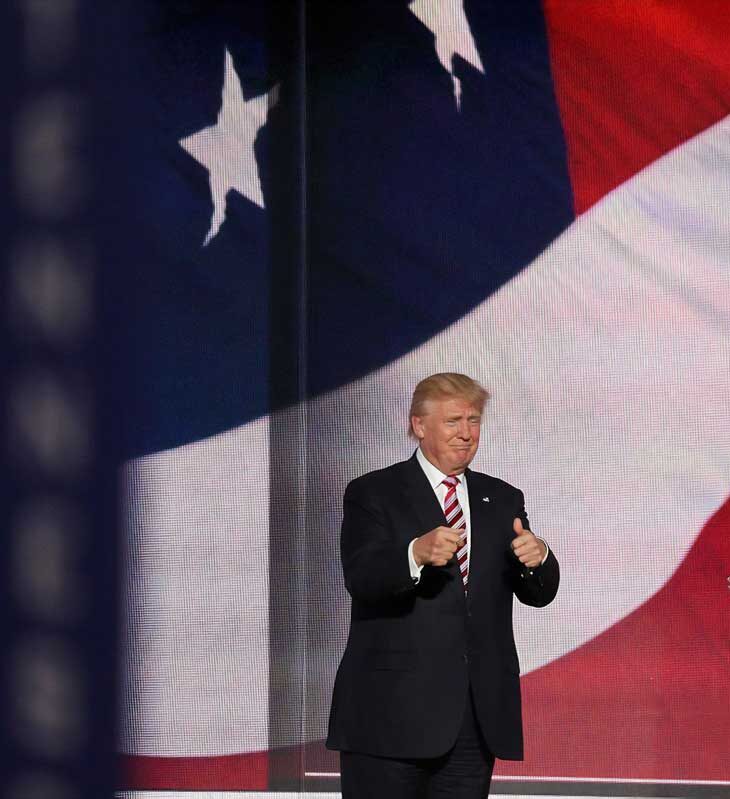
WASHINGTON DC. President Donald Trump recently announced a major shift in United States trade policy. This global tariff pivot introduces a 10 per cent universal baseline duty on foreign imports. The administration initiated these measures following a significant legal setback in the Supreme Court. Treasury Secretary Scott Bessent and other US officials confirmed the new strategy during a press briefing. He noted that the global tariff pivot requires new trade probes to justify the duties. Consequently, this initiative marks a formal legal strategy to protect domestic manufacturing.
Legal Framework and Administrative Action
The administration is launching expansive investigations under Section 301 of the Trade Act. Top US officials are now coordinating these efforts across several departments. The global tariff pivot aims to create a defensible legal record for the new duties. Josh Lipsky, the international economics chair at the Washington-based Atlantic Council, observed the administration’s tactical change. He stated that the White House is now navigating the legal doctrines set by the court. Therefore, the pivot reflects a shift toward a documented investigative process.
In addition, other US officials highlighted the importance of these probes for national economic security. They argue that the global tariff pivot will strengthen the nation’s industrial base over time. Because the Supreme Court limited direct executive authority, the administration must now prove economic harm. The Department of the Treasury and other departments will monitor the impact of these new duties. Furthermore, officials confirmed that the strategy targets the reduction of the national trade deficit. Thus, the government integrates economic goals with a new regulatory framework.
Global tariff pivot: Economic Goals and Future Projections
The administration remains committed to its trade agenda through these new legal structures. Experts at the Atlantic Council noted the shift in the government’s approach. President Trump believes this global tariff pivot will force foreign nations to negotiate better terms. The White House expects these duties to encourage more domestic production in the coming years. Similarly, other US officials noted that the policy aligns with broader industrial goals. In summary, the administration is moving forward with its trade objectives despite recent judicial constraints.
US Trade Update 2026
| Parameter | Detail / Attribution |
|---|---|
| New Policy | 10 per cent universal baseline global tariff. |
| Legal Strategy | New trade probes following a Supreme Court setback. |
| Key Officials | Scott Bessent (Treasury Secretary) and other US officials. |
| Expert Observation | Josh Lipsky, Atlantic Council (Washington). |
| Core Theme | Implementation of a global tariff pivot. |
| Target Goal | Reducing the trade deficit and supporting US jobs. |
About the Author
