

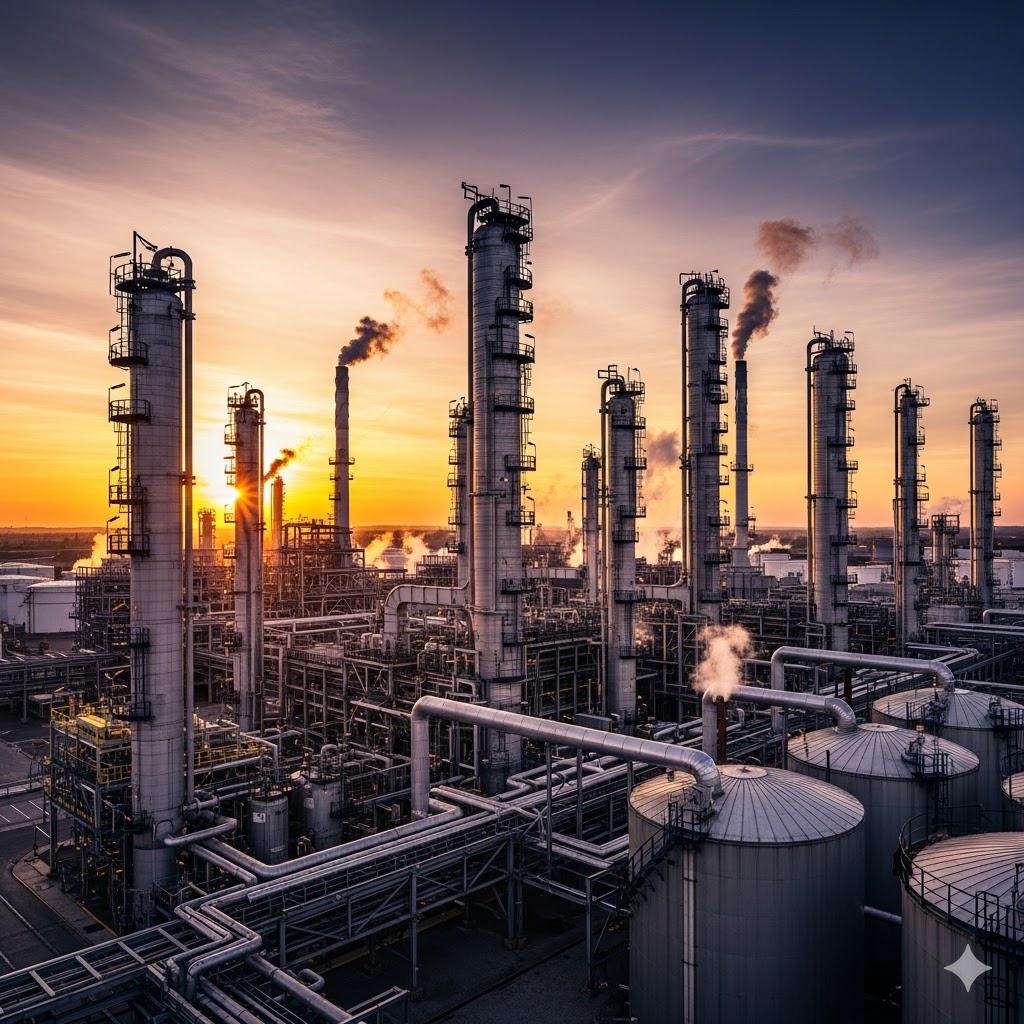
NEW DELHI. The government announced full customs duty relief on petrochemicals today to safeguard the domestic industry. This measure applies to 40 critical products and remains valid until 30 June 2026. The Ministry of Finance issued the notification early this afternoon to address rising global costs. Ongoing conflicts in West Asia have caused significant disruptions in international supply chains. This customs duty relief on petrochemicals targets essential industrial inputs to maintain production levels. Included goods feature Methanol, Anhydrous ammonia, Toluene, and Styrene. Other exempted items include Dichloromethane and Vinyl chloride monomer.
Customs duty relief on petrochemicals: Benefits for Downstream Manufacturing Sectors
Downstream sectors like pharmaceuticals and automotive components will benefit from this tax holiday. Costs will fall significantly for manufacturers of plastics and packaging materials. The state organised this move to ensure the continued availability of feedstock. Targeted customs duty relief on petrochemicals ensures input availability for various chemical segments. This step will help reduce cost pressures and prevent price hikes for consumers. The Ministry noted that the textile and chemical sectors also require these specific intermediates. Such temporary relief protects the profit margins of small and medium enterprises. Authorities expect the move to safeguard price stabilisation across the national market.
Strategic Stabilisation of Supply Chains
The Finance Ministry stated that the step protects domestic industries from external shocks. Consumers of final products will also see relief as production expenses decrease. Officials designed this customs duty relief on petrochemicals as a temporary and targeted intervention. It addresses the current volatility in international energy and chemical markets. Domestic manufacturers now face fewer cost pressures during these uncertain times. The move aligns with the national goal of industrial self-reliance and economic growth. Refineries and chemical plants continue to coordinate with the government on stock levels. This proactive measure prevents shortages in the domestic market.
Finally, the government monitors the global trade situation in real time. National strategy prioritises the stability of essential manufacturing value chains. Most experts view the duty exemption as a vital cushion for the industrial sector. Future growth depends on the successful navigation of global geopolitical challenges. In summary, India strengthens its manufacturing resilience through these bold fiscal steps.
Petrochemical Duty Exemptions (2026)
| Feature | Details / Status |
|---|---|
| Exemption Period | Valid until 30 June 2026. |
| Number of Goods | 40 critical petrochemical products. |
| Key Items | Methanol, Toluene, Styrene, Ammonia. |
| Policy Mode | Targeted customs duty relief on petrochemicals. |
| Impact Areas | Pharma, Auto, Plastics, and Textiles. |
| Main Reason | West Asia conflict and supply disruptions. |
About the Author
