
NEW DELHI. India’s fish production has reached a historic high of 197.75 lakh tonnes in the 2024-25 financial year. This represents a staggering 106 per cent increase from the 95.79 lakh tonnes recorded in 2013-14. The Ministry of Fisheries, Animal Husbandry & Dairying released these figures today, highlighting a decade of transformative growth. India is now the world’s second-largest fish producer, contributing 8 per cent to global output. This surge is underpinned by central investments totalling ₹38,572 crore across various schemes since 2015.
Strategic Growth and India’s Fish Production
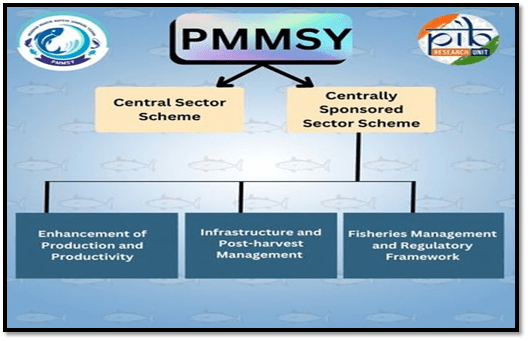
The government has implemented several flagship programmes to modernise the sector. These include the Blue Revolution, the Pradhan Mantri Matsya Sampada Yojana (PMMSY), and the Fisheries and Aquaculture Infrastructure Development Fund (FIDF). Average aquaculture productivity has increased to 4.77 tonnes per hectare. India’s fish production success has also turned the nation into a global leader in shrimp exports. Currently, the fisheries sector accounts for 7.43 per cent of the total Agriculture GVA, the highest amongst all allied sectors.
Furthermore, the government has prioritised the formalisation of the sector. Under the PMMKSSY scheme, over 28 lakh stakeholders have been registered on digital platforms. To ensure financial inclusion, 4.49 lakh Kisan Credit Cards (KCC) have been sanctioned to fishers. These cards provide vital working capital, with loans totalling ₹3569.60 crore disbursed to date. The Ministry has also notified 34 specialised production clusters, ranging from seaweed in Lakshadweep to ornamental fisheries in Tamil Nadu.
Employment and Export Resilience
The sector plays a critical role in livelihood security, supporting approximately 3 crore fishers and farmers. Since 2014-15, various schemes have generated over 74.66 lakh direct and indirect employment opportunities. India’s fish production growth is mirrored by impressive performance in international markets. Seafood exports reached an all-time high of ₹62,408 crore in 2024-25. Even with increased tariffs in some global markets, the industry showed resilience, with export values rising by 21 per cent in the recent period.
Additionally, the Ministry is harnessing the potential of the Exclusive Economic Zone (EEZ) and high seas. New rules for “Sustainable Harnessing of Fisheries” give priority to cooperatives for deep-sea operations. To ensure safety at sea, the government is providing 1 lakh fishing vessels with indigenously developed transponders free of cost. These devices enable two-way communication and send alerts during cyclones or emergencies.
India’s fish production trajectory confirms the nation’s emergence as a “Blue Economy” powerhouse. By combining technology infusion with social safety nets like group accidental insurance for 34.71 lakh fishers, the government ensures inclusive growth. The ongoing “Viksit Bharat” vision aims to further enhance value addition and move India toward the top spot in global seafood commerce.
About the Author