

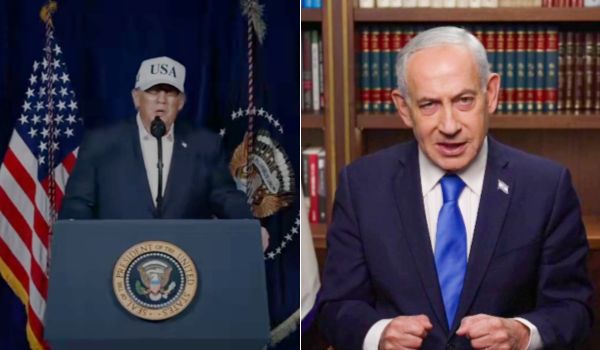
JERUSALEM. Israel has launched a series of targeted military strikes against strategic locations in Iran. This Israel-Iran conflict escalation follows months of rising hostility between the two regional powers. Consequently, the Israeli government has declared a nationwide state of emergency to protect its citizens. Prime Minister Benjamin Netanyahu convened a high-level security cabinet meeting before the strikes began. Military officials explained that the operation targeted missile production facilities and air defense systems. Therefore, this development marks a significant shift in the regional security landscape.
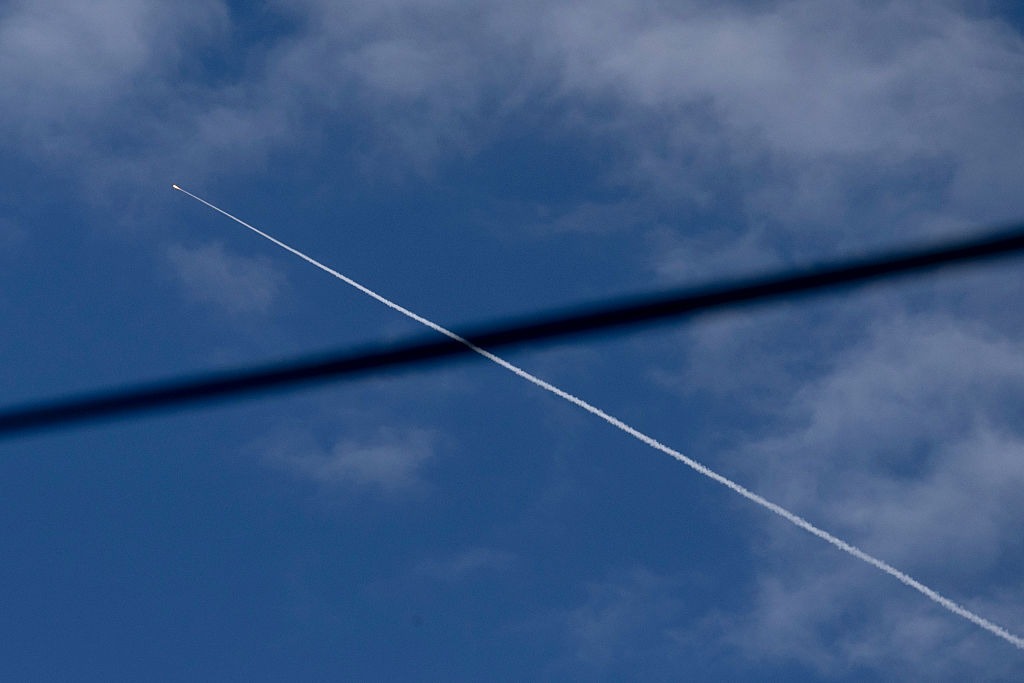
Military Operations and Israel-Iran Conflict Escalation
The Israeli Defense Forces (IDF) conducted the multi-wave operation during the early morning hours. This Israel-Iran conflict escalation has prompted several neighbouring nations to close their sovereign airspace immediately. The government declared the state of emergency to prepare for potential retaliatory strikes from Tehran. Because the situation remains highly volatile, the Home Front Command has issued strict safety protocols. Similarly, the United Nations (UN) has called for an immediate cessation of all hostilities. Thus, these events reflect a dangerous new phase in the regional power struggle.
Iran has officially condemned the attack as a flagrant violation of its national sovereignty. Specifically, the Israel-Iran conflict escalation involves drone and missile strikes across multiple Iranian provinces. Iranian state media reported that their air defense systems intercepted several incoming projectiles successfully. Since the strikes occurred, global oil prices have spiked significantly on international markets. Furthermore, the authorities in Tehran promised a decisive response to the Israeli aggression. Consequently, this Israel-Iran conflict escalation has triggered emergency sessions in many world capitals.
Israel-Iran Conflict Escalation: Impact on India
The Israel-Iran conflict escalation poses significant challenges for India’s energy security and broader economic stability. As a major importer of crude oil, India faces immediate inflationary pressure from rising global fuel prices and potential supply chain disruptions. The military confrontation also threatens the progress of the Chabahar Port in Iran, which serves as a vital strategic link for Indian trade with Central Asia. Furthermore, the safety of over nine million Indian citizens living across West Asia remains a top priority for the government in New Delhi. Any prolonged instability in the region could also impact the steady flow of remittances that support the domestic economy. Finally, India must navigate a complex diplomatic tightrope to maintain its balanced and essential relationships with both sovereign nations.
Regional Stability and Future Outlook
International leaders are monitoring the situation with growing concern for civilian safety. The Israel-Iran conflict escalation has forced many airlines to suspend flights to the Middle East indefinitely. The United States (US) has urged all parties to exercise maximum restraint to avoid war. To support this, diplomatic channels remain open despite the ongoing military actions. However, security experts believe that the conflict may spread to other parts of the region. Therefore, these strategic developments highlight the extreme fragility of the current peace.
Finally, markets have reacted sharply to the news of the direct military confrontation. This Israel-Iran conflict escalation represents the most direct clash between the two nations in decades. PM Netanyahu stated that Israel will take all necessary steps to ensure its national security. Meanwhile, citizens in both countries are preparing for the possibility of further military exchanges. In summary, the world awaits the next move in this high-stakes geopolitical standoff.
Regional Conflict Status (March 2026)
| Parameter | Detail / Attribution |
|---|---|
| Primary Action | Israeli Defense Forces (IDF) strikes on Iranian targets. |
| Legal Status | National State of Emergency declared in Israel. |
| Leading Authority | PM Benjamin Netanyahu and Israeli Security Cabinet. |
| Core Theme | Significant Israel-Iran conflict escalation. |
| International Response | United Nations (UN) calls for immediate restraint. |
| Market Impact | Sharp rise in global oil prices and flight suspensions. |
About the Author
