

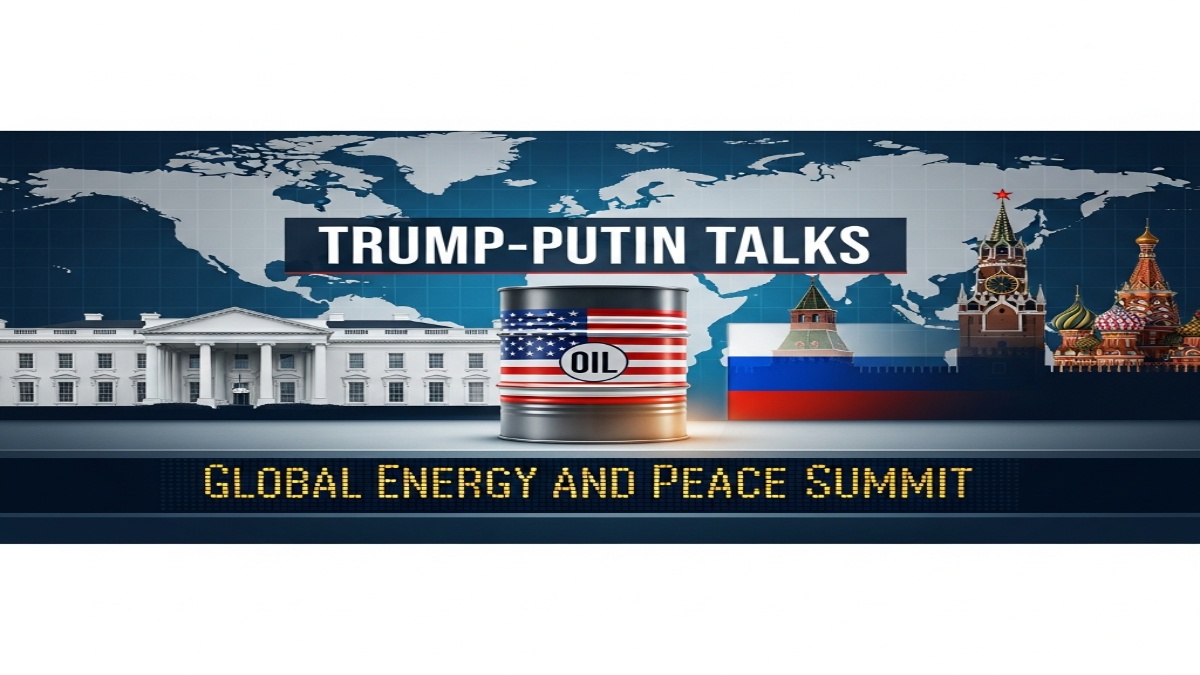
WASHINGTON. President Donald Trump and Russian President Vladimir Putin engaged in a high-stakes telephone conversation lasting sixty minutes today. Kremlin foreign policy aide Yuri Ushakov confirmed the details of this significant exchange during a press briefing in Moscow. The leaders discussed themes of war and peace while focusing heavily on the future of Russian oil sanctions. Trump expressed a clear desire to see global oil prices drop to forty dollars per barrel. He believes that such a price target will stimulate the American economy and provide relief for global consumers. Putin noted that his country possesses the capacity to meet global energy demands effectively. The conversation represents the first formal dialogue between the two leaders regarding energy policy in the current term.
Strategic Price Targets and Economic Relief
President Trump views the current energy landscape as a major obstacle to international economic prosperity. He specifically highlighted how Russian oil sanctions contribute to the artificial inflation of global crude prices. The President seeks a “fair and balanced” market that prioritizes affordability for the working class. Kremlin aide Yuri Ushakov stated that Russia remains open to constructive energy negotiations with the West. Ushakov emphasized that Russia wants to resume its role as a primary energy supplier to European markets. However, the current regime of Russian oil sanctions prevents the realization of these economic goals. Markets reacted instantly to the news of the call as Brent crude futures dropped significantly. Investors now anticipate a shift in the American approach to international trade restrictions.
Linking Energy Policy to Regional Peace
The two leaders also discussed the ongoing hostilities in Ukraine as a central part of their dialogue. Putin insisted that any easing of Russian oil sanctions must coincide with a broader security agreement. He outlined Russia’s specific requirements for a lasting peace during the sixty-minute call. Trump suggested that energy trade could serve as a powerful tool for diplomatic leverage. The President believes that a peace deal in Eastern Europe will naturally lead to the removal of Russian oil sanctions. Both leaders agreed that technical teams should begin drafting a roadmap for future negotiations. Trump continues to emphasize “peace through strength” and economic cooperation as his primary foreign policy pillars.
Global Reactions and Geopolitical Risks
International observers monitor these developments with a mixture of intense scrutiny and caution. Chancellor Friedrich Merz recently emphasized the need for a unified Western stance on all energy-related matters. The German government worries that unilateral shifts in Russian oil sanctions might undermine NATO unity. Merz advocates for a cautious approach that balances economic relief with regional security. Furthermore, several members of the United States Congress warned against making concessions without verified military withdrawals. The situation remains highly fluid as the diplomatic teams prepare for follow-up meetings in the coming weeks.
Finally, the global community lacks a clear timeline for a formal agreement on energy trade. The path toward a final resolution remains fraught with significant geopolitical challenges. Most strategic firms have suspended their long-term supply projections due to the current talks. Political opposition within Washington might still block any immediate executive actions regarding Russian oil sanctions. The world remains on high alert as the energy landscape undergoes a potential transformation.
Summary Table: Trump-Putin Diplomatic Brief (March 2026)
| Parameter | Detail / Attribution |
|---|---|
| Duration of Call | 60-minute telephone conversation. |
| Kremlin Source | Foreign policy aide Yuri Ushakov. |
| Energy Goal | Trump target of $40 per barrel for crude oil. |
| Primary Subject | Potential easing of Russian oil sanctions. |
| Security Context | Conflict in Ukraine and West Asia tensions. |
| Market Impact | Immediate drop in Brent crude futures prices. |
About the Author
