
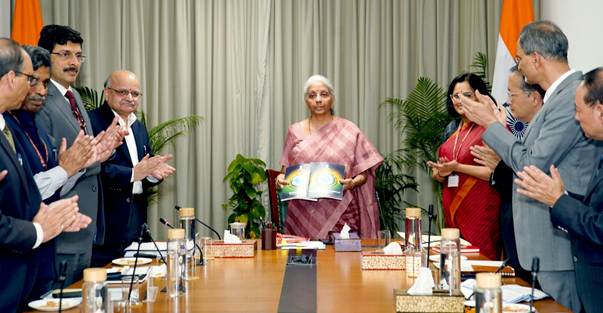
NEW DELHI. The Union Minister for Finance and Corporate Affairs, Nirmala Sitharaman, has launched the next phase of the government’s asset recycling strategy. This National Monetisation Pipeline 2.0 estimates an aggregate monetisation potential of ₹16.72 trillion over a four-year period. The Finance Minister (FM) explained that the initiative focuses on unlocking value from brownfield infrastructure assets. Specifically, the program targets sectors like roads, railways, and power to generate resources for new projects. This move aligns with the broader goal of the Prime Minister’s Gati Shakti plan. Consequently, the government aims to create a sustainable funding model for the National Infrastructure Pipeline.
Strategic Framework of National Monetisation Pipeline 2.0
The National Institution for Transforming India (NITI Aayog) developed the framework for the National Monetisation Pipeline 2.0 in consultation with various infrastructure ministries. This second version expands the scope of the original program to include more diverse asset classes. Specifically, the top five sectors by value include roads, railways, power, oil and gas, and telecom. FM Sitharaman noted that the government will not sell these assets but will instead lease them for a specific period. Because the ownership remains with the state, the private sector only gains operational rights. Therefore, this National Monetisation Pipeline 2.0 ensures the efficient use of public wealth without permanent divestment.
In addition, the focus remains on leveraging the efficiency of private players in managing infrastructure. To support this, the National Monetisation Pipeline 2.0 integrates a transparent monitoring mechanism through a dedicated dashboard. Since the government aims for high transparency, NITI Aayog will publish quarterly progress reports. The Finance Minister (FM) committed to providing a clear regulatory environment for global and domestic investors. Furthermore, the authorities expect that this recycling will boost the overall productivity of existing assets. Thus, these efforts reflect a coordinated approach to building a “Viksit Bharat” through fiscal innovation.
Economic Impact and Infrastructure Funding
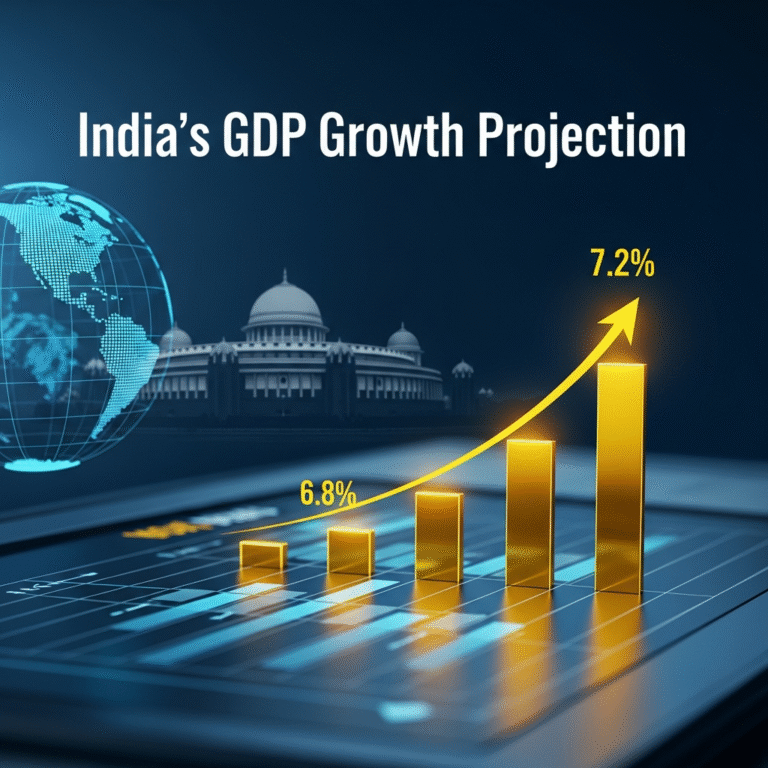
Beyond fiscal gains, the dialogue addressed the role of asset recycling in boosting the national Gross Domestic Product (GDP). Specifically, the implementation of the National Monetisation Pipeline 2.0 will provide the necessary capital for the National Infrastructure Pipeline. Furthermore, the Finance Minister (FM) stated that value-added infrastructure fetches a significantly higher return for the economy. Meanwhile, industry experts expressed that the private participation will improve the service quality for common citizens. Consequently, the government has encouraged a transparent dialogue between the central ministries and institutional investors to ensure success.
On the other hand, the success of this transition depends on the timely execution of concessions. Specifically, the vision for the National Monetisation Pipeline 2.0 involves using the proceeds solely for the creation of new core infrastructure. Since India contributes a significant portion of the world’s incremental demand for modern logistics, this roadmap is vital. Furthermore, NITI Aayog continues to identify more blocks to add to the future pipeline. Additionally, the Ministry of Finance will monitor how these developments impact the overall trade balance. In summary, the government remains committed to this innovative path of economic management.
National Monetisation Pipeline (NMP) 2.0 Insights
| Parameter | Detail / Attribution |
|---|---|
| Monetisation Potential | ₹16.72 Trillion (Estimated over 4 years). |
| Leading Authority | Nirmala Sitharaman, Finance Minister (FM). |
| Developing Agency | National Institution for Transforming India (NITI Aayog). |
| Top Sectors | Roads, Railways, Power, Oil & Gas, Telecom. |
| Core Principle | Asset Recycling and Concessions (No Ownership Transfer). |
| Economic Goal | Funding the National Infrastructure Pipeline and boosting GDP. |
About the Author