

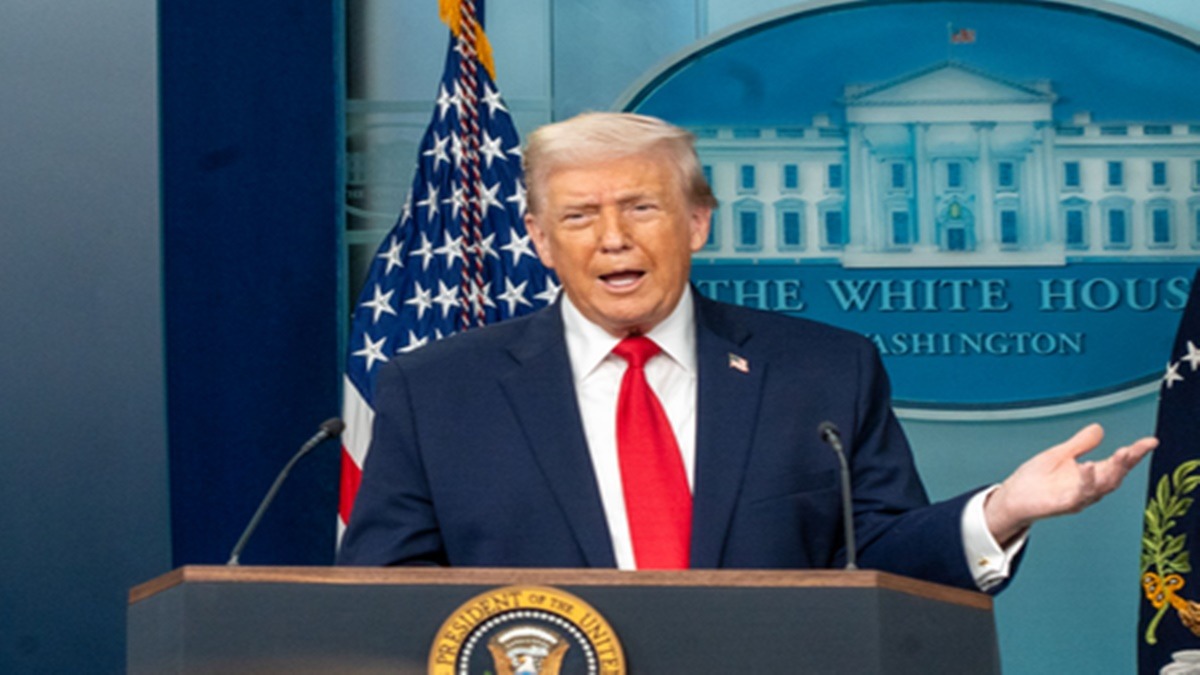
WASHINGTON DC. President Donald Trump announced a global tariff rate increase to 15 per cent on Saturday. He raised the duty after the Supreme Court struck down his previous trade program. This new 15 per cent levy marks the maximum level allowed under the law. Notably, this global tariff rate increase comes less than 24 hours after his Friday announcement. The Court previously found that the president exceeded his authority under emergency laws. Consequently, Trump now relies on an untested statute known as Section 122.
Legal Authority and Global Tariff Rate Increase
The administration now uses Section 122 to implement this global tariff rate increase. This law allows tariffs up to 15 per cent for a 150-day period. However, the president needs congressional approval to extend them beyond that timeframe. Chief Justice John Roberts authored the majority decision that struck down the previous rates. Justices Neil Gorsuch and Amy Coney Barrett joined the liberal justices in that ruling. Trump reacted with fury. Despite the legal challenge, he persists with this global tariff rate increase to continue his trade war.
Wendy Cutler of the Asia Society expressed surprise at the rapid policy change. She stated the rapid global tariff rate increase underscores the uncertainty for trading partners. Meanwhile, Trump’s trade representative, Jamieson Greer, spoke to Fox News about existing agreements. He explained that the global tariff rate increase does not override negotiated deals like Indonesia’s. Indonesia’s chief negotiator, Airlangga Hartarto, confirmed their 19 per cent deal remains in force. Similarly, exports from Malaysia and Cambodia will continue at their negotiated 19 per cent rates.
International Reaction and Economic Impact
French President Emmanuel Macron applauded the court’s decision regarding the rule of law. German Chancellor Friedrich Merz stated that tariffs harm everyone. Merz expects the ruling to ease the burden on German companies. However, countries like Brazil might see a temporary drop from 40 per cent to 15 per cent. The White House also confirmed exemptions for critical minerals and energy products. These exemptions exist despite the broad global tariff rate increase across other sectors.
Recent polls show a decline in Trump’s approval on the economy. Only 34 per cent of respondents approve of his handling of financial issues. Affordability remains a top concern for voters before the November midterm elections. Democrats claim the global tariff rate increase exacerbates the rising cost of living. They need to flip only three seats to win a majority in the House. In summary, the administration continues its aggressive trade path despite domestic and international opposition.
US Tariff Escalation (Feb 2026)
| Parameter | Detail / Attribution |
|---|---|
| New Policy Rate | 15 per cent (Maximum under Section 122). |
| Legal Basis | Section 122 (150-day temporary limit). |
| Key Official | Jamieson Greer, US Trade Representative. |
| Indonesia Lead | Airlangga Hartarto, Chief Negotiator. |
| Expert View | Wendy Cutler (Asia Society) notes partner uncertainty. |
| Court Majority | Roberts, Gorsuch, Barrett, and three liberal justices. |
About the Author
