

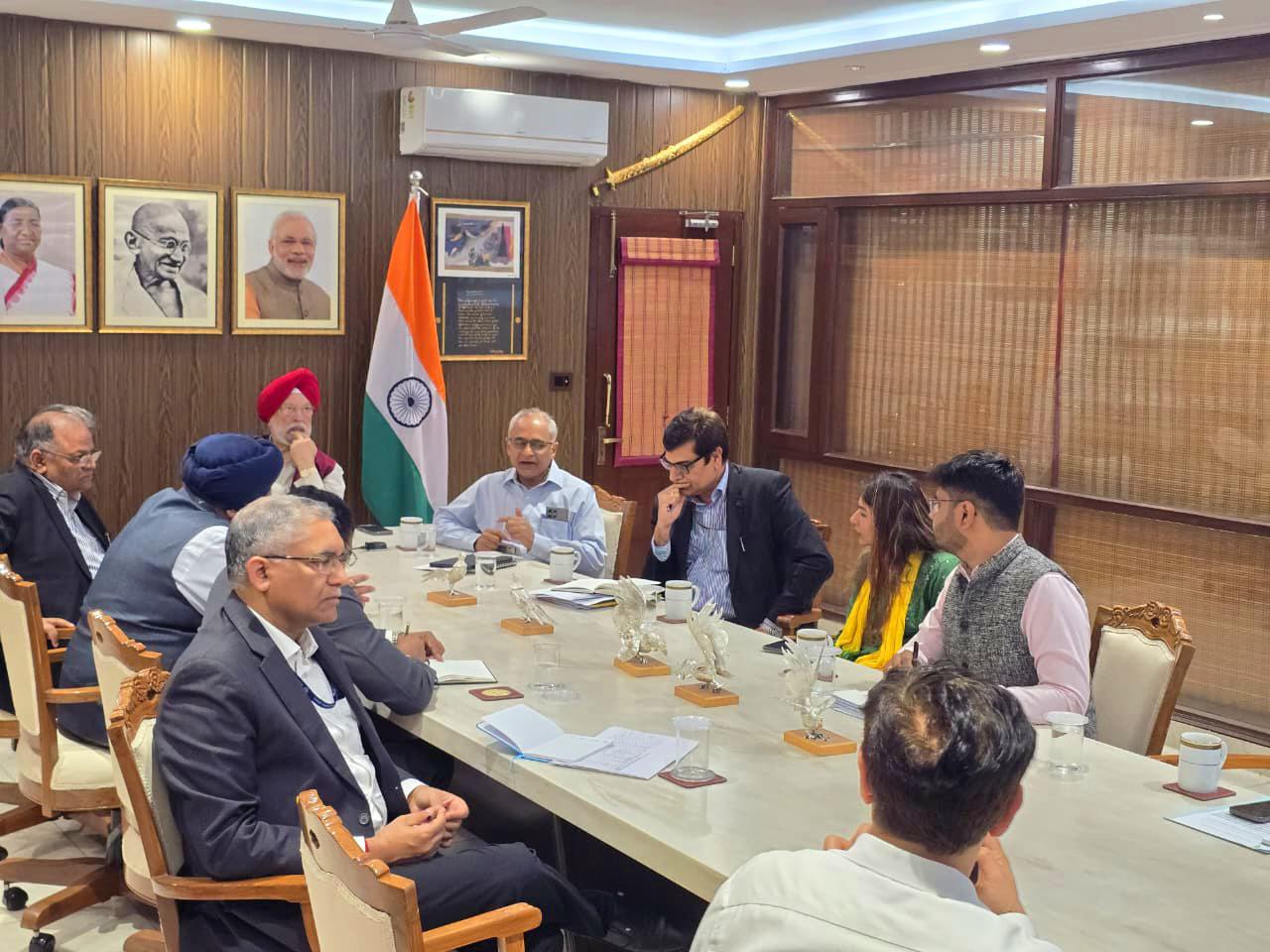
NEW DELHI. The Ministry of Petroleum and Natural Gas (MoPNG) assured the nation about energy supply security today. Minister Hardeep Singh Puri stated that India maintains sufficient crude oil reserves for energy supply security. The government remains vigilant regarding the impact of West Asia tensions on energy supply security. Furthermore, the authorities prioritize both availability and affordability to ensure energy supply security. The recent energy supply security update comes as global oil prices fluctuate due to regional strikes. India continues to diversify its crude sources to strengthen energy supply security for all citizens.
Strategic Buffers and Market Stability
Minister Hardeep Singh Puri confirmed that state-run refineries have secured their required monthly imports. The MoPNG is monitoring the situation in the Red Sea and the Strait of Hormuz closely. India currently imports nearly eighty-five per cent of its total crude oil requirements. Because the nation maintains a diverse supplier base, the risk of sudden disruption remains low. Similarly, the government is coordinating with international partners to keep the trade routes open. Therefore, the Ministry expects no immediate shortage of petrol or diesel at the retail outlets.
Furthermore, global leaders are calling for stability in the international energy markets. German Chancellor Friedrich Merz recently urged global exporters to stabilize the volatile energy markets. He emphasized that regional peace is essential for maintaining a steady global supply chain. India supports these diplomatic efforts to prevent a long-term economic slowdown. Since the domestic demand remains high, the government will continue its proactive procurement strategy. Moreover, the authorities have encouraged the private sector to optimize their existing stockpiles. Thus, the nation prepares for any potential shift in the global landscape.
Economic Resilience and Future Outlook
Strategic experts believe that India’s robust refining capacity provides a significant safety buffer. The government seeks to minimize the impact of international price hikes on the common consumer. Meanwhile, the Ministry of Finance is reviewing the fiscal implications of current crude price trends. Consequently, the MoPNG remains confident in its ability to manage the current market volatility. Both the public and private sectors are working together to ensure national energy resilience. Therefore, the current roadmap focuses on long-term sustainability and resource diversification.
Finally, the Ministry reaffirmed its commitment to providing affordable energy for all industrial activities. The long-term vision involves increasing the share of natural gas in the energy mix. Experts believe that these strategic measures will protect the economy from external shocks. However, the immediate focus remains on securing the maritime transport of crude oil shipments. Many citizens look to the government for steady leadership during this global crisis. In summary, India remains well-positioned to navigate the challenges of the West Asia conflict.
India Energy Assurance (March 2026)
| Parameter | Detail / Attribution |
|---|---|
| Leading Authority | Ministry of Petroleum and Natural Gas (MoPNG). |
| Current Status | Sufficient reserves and secured import contracts. |
| Core Strategy | Diversification of sources and maritime monitoring. |
| Primary Goal | Maintaining energy supply security and affordability. |
| Global Context | Impact of West Asia conflict and Red Sea security. |
| Retail Outlook | Stable availability of petrol and diesel at outlets. |
About the Author
