

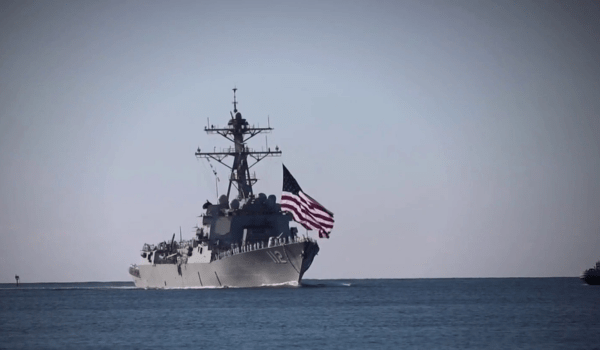
MANAMA. The Fifth Fleet officially commenced a comprehensive US Navy blockade of all major Iranian ports today. This military action follows the total collapse of high-stakes diplomatic negotiations held in Geneva last night. Naval commanders received immediate orders to intercept and turn back any merchant vessels attempting to dock at Iranian terminals. The exclusion zone now covers the entire northern expanse of the Persian Gulf and the Gulf of Oman. White House officials stated that diplomacy failed to address the urgent security concerns regarding regional maritime stability. Implementing this US Navy blockade signals a definitive shift from economic sanctions to active military containment.
US Navy Blockade and Tactical Enforcement
Warships from the carrier strike group established a multi-layered perimeter around key energy export facilities this morning. Surveillance aircraft and maritime drones provide constant coverage to detect any attempts to bypass the designated blockade lines. This US Navy blockade specifically targets the flow of industrial raw materials and refined petroleum products. Admiral Christopher Grady confirmed that the fleet will use proportional force to maintain the integrity of the exclusion zone. Initial reports indicate that several tankers changed their course to avoid confrontation with the patrolling American destroyers. The military continues to monitor coastal missile batteries to protect the fleet from potential shore-based retaliations.
Impact on Global Energy via the US Navy Blockade
The sudden enforcement of the US Navy blockade caused an immediate spike in international insurance premiums for maritime freight. Global energy markets remain on high alert as the primary corridor for oil exports faces unprecedented military restrictions. The administration coordinates with regional partners to ensure that neutral shipping lanes remain safe for non-sanctioned commercial traffic. Most shipping conglomerates now instruct their captains to avoid the northern Gulf waters entirely until further notice. This disruption complicates the already fragile global supply chain for essential chemicals and manufacturing components. Economists warn that prolonged naval enforcement will likely lead to higher fuel prices for consumers worldwide.
Regional Security and Future Strategic Outlook
United Nations observers expressed grave concern regarding the potential for a direct naval engagement in the region. Several allied nations provided logistical support to ensure the blockade remains effective over the coming months. The White House maintains that the maritime restrictions will remain in place until a new security framework is established. Future strategic plans include the deployment of additional mine-sweeping units to clear vital international waterways. Both sides continue to increase their military readiness as the risk of a broader conflict remains significantly high. In summary, the maritime standoff represents a critical test for international law and global energy security today.
US Naval Blockade Status
| Parameter | Details / Status |
| Command Center | Fifth Fleet HQ, Manama. |
| Primary Metric | US Navy blockade. |
| Naval Assets | Carrier Strike Groups and Destroyers. |
| Trigger Event | Collapse of Geneva Talks. |
| Target Zone | Iranian Ports and Terminals. |
| Market Reaction | Surge in Oil Prices and Insurance. |
About the Author
