

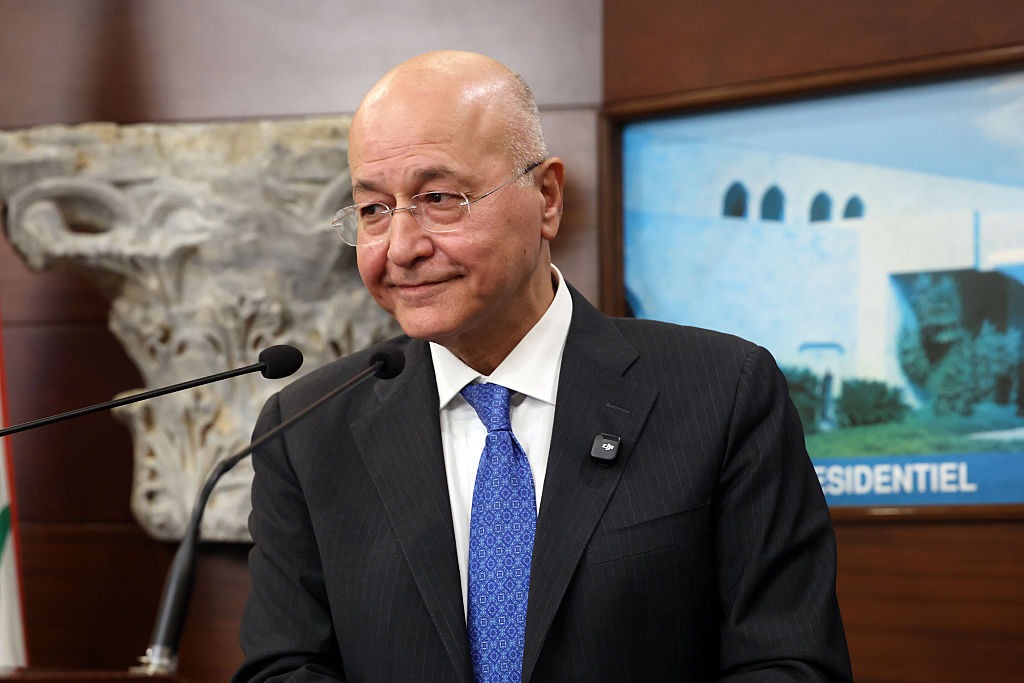
BAABDA. The President of Lebanon stated today that the current ceasefire should move towards permanent agreements immediately. He emphasised that a temporary truce is insufficient for ensuring the long-term safety of the Lebanese people. This announcement follows a series of high-level consultations held at the Presidential Palace in Baabda this morning. The President urged all domestic and international stakeholders to support a formal Lebanon peace talks framework. He believes that only a legally binding accord can prevent the recurrence of cross-border hostilities. Transitioning to a permanent settlement remains the central pillar of the national security strategy this year. The global community closely monitors these developments as a potential turning point for the Levant.
International Support for the Lebanon Peace Talks
The presidency requested the United Nations to facilitate more intensive diplomatic sessions between the concerned parties. Several global powers expressed their readiness to provide the necessary guarantees for a sustainable Lebanon peace talks process. The President noted that the current stability provides a unique window of opportunity for comprehensive negotiations. He highlighted the importance of resolving the maritime and land border disputes through international arbitration. Foreign diplomats in Beirut welcomed the call for a more structured approach to regional de-escalation. Strengthening the role of peacekeeping forces will likely form a part of any future permanent agreement. Most observers agree that sustained international pressure is vital for the success of this diplomatic initiative.
Economic Recovery and Strategic Stability
A permanent peace agreement would allow the government to focus on urgent economic reforms and infrastructure rebuilding. The President argued that the Lebanon peace talks are essential for attracting foreign investment back to the country. Constant security threats currently hinder the development of the national energy and tourism sectors. Achieving strategic stability will provide the necessary confidence for international financial institutions to provide long-term credit. The administration prioritises the restoration of essential services in the regions most affected by the recent conflict. Public sentiment in Beirut remains cautiously optimistic about the prospect of a lasting and dignified peace. Political leaders across the spectrum are now reviewing the proposed roadmap for the upcoming negotiations.
Future Roadmap for Regional Integration
Future diplomatic efforts will focus on creating a multi-lateral security framework that involves all regional neighbours. The President concluded that Lebanon seeks to be a hub of peace and cooperation in the Middle East. Success in the Lebanon peace talks could serve as a model for resolving other protracted conflicts in the area. The government plans to host a regional peace conference later this year to consolidate these diplomatic gains. Scientists and urban planners already draft proposals for the sustainable redevelopment of the border zones. Lebanon moves steadily towards a future defined by diplomatic engagement rather than military confrontation. In summary, the President’s call represents a bold step towards a new era of regional prosperity.
Lebanon Presidential Proposal
| Parameter | Details / Status |
| Primary Goal | Transition ceasefire to permanent accord. |
| Primary Metric | Lebanon peace talks. |
| Key Official | President of Lebanon. |
| Venue | Presidential Palace, Baabda. |
| International Partner | United Nations (Facilitator). |
| Strategic Focus | Border disputes and economic recovery. |
About the Author
