

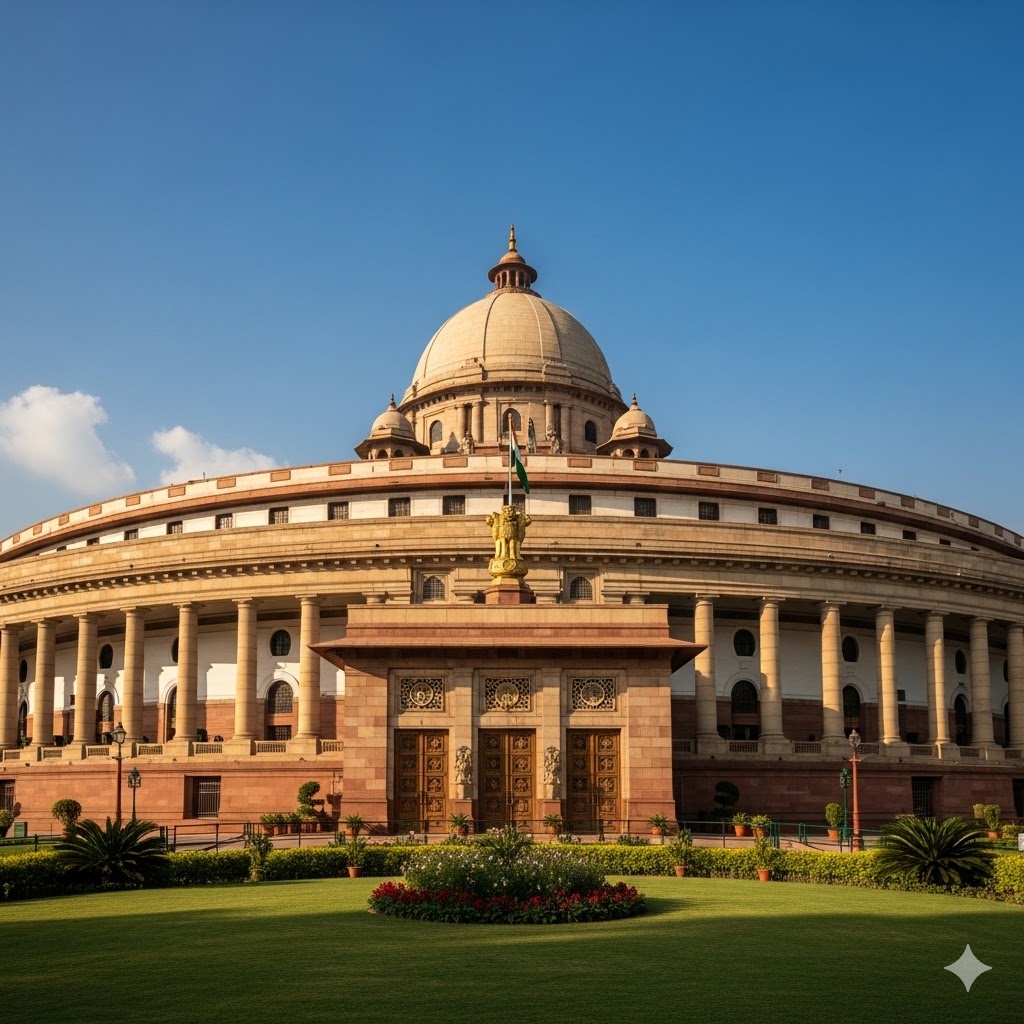
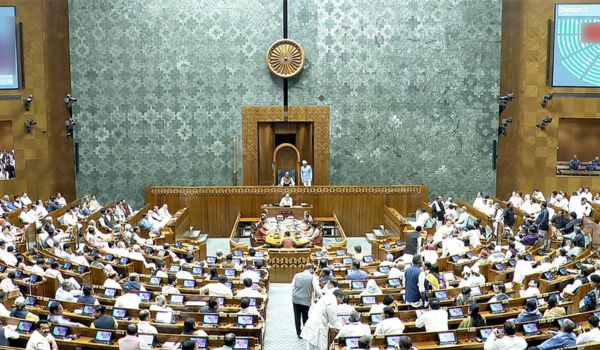
NEW DELHI. The Constitution (One Hundred and Thirty-First Amendment) Bill failed to pass in the Lok Sabha. This significant women’s reservation bill intended to implement one-third representation in the Lower House and state assemblies. The legislation fell short of the mandatory two-third majority required for a constitutional amendment. Out of the 528 members present, 298 MPs voted in favour while 230 voted against the measure. Speaker Om Birla announced that the House cannot move forward with the legislation due to the voting results. Passing the women’s reservation bill required a minimum of 352 votes to meet the constitutional threshold. The failure of the bill triggered immediate and heated debates within the historical halls of the Parliament.
Political Protests and Government Reaction
Following the vote, women MPs from the NDA alliance staged a massive protest in the Parliament complex. They accused the opposition parties of deliberately blocking a historic opportunity for gender equity. Parliamentary Affairs Minister Kiren Rijiju stated that the opposition lost a vital chance to empower Indian women. Home Minister Amit Shah also criticised the opposition alliance for celebrating the failure of the women’s reservation bill. He described the celebration as an insult to every woman waiting for her rights for decades. Shah asserted that the opposition consistently backs down when asked to grant formal rights to women. The government maintains that this legislation remains a cornerstone of its social reform agenda.
Opposition Critique and Floor Discussions
Earlier in the day, Leader of Opposition Rahul Gandhi expressed strong reservations about the proposed legislation. He argued that the Nari Shakti Vandan Adhiniyam does not represent a genuine women’s reservation bill. Gandhi claimed the bill has nothing to do with the actual empowerment of women in the country. The opposition benches raised concerns regarding the timing and specific implementation clauses of the amendment. These disagreements led to a sharp division during the final electronic voting process in the chamber. Despite the intense discussion, the two sides failed to reach a consensus on the final text. The House eventually adjourned to meet again at 11 AM today following the result announcement.
Future of Gender Representation in India
The failure of the amendment leaves the future of gender-based seat quotas in a state of uncertainty. Analysts believe the government may reintroduce a modified version of the bill in a future session. Most advocacy groups expressed disappointment at the lack of political unity on this critical social issue. Future efforts will likely require more extensive cross-party consultations to secure the necessary legislative support. The women’s reservation bill remains one of the most debated topics in contemporary Indian political history. For now, the status quo regarding seat distribution in the Lok Sabha and State Assemblies continues. The nation awaits the next move from the administration regarding this landmark empowerment initiative.
Lok Sabha Voting Results (April 2026)
| Parameter | Details / Metrics |
| Bill Title | Constitution (131st Amendment) Bill. |
| Primary Metric | Women’s reservation bill. |
| Total Members Present | 528. |
| Votes in Favour | 298. |
| Votes Against | 230. |
| Required Majority | 352 (Two-third). |
| Status | Failed to pass. |
About the Author
