

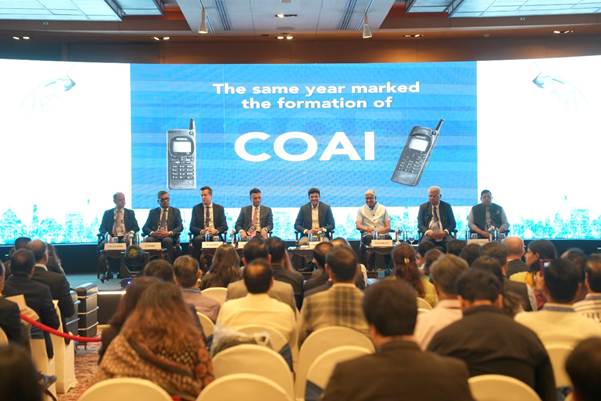
NEW DELHI. The Indian telecommunications industry achieved a historic financial milestone during the previous fiscal year. Minister of State for Communications, Dr Chandra Sekhar Pemmasani, confirmed that the sector reached ₹3.72 lakh crore in revenue. This significant telecom revenue surge reflects the rapid adoption of high-speed data services across the country. Speaking at a sectoral event, the Minister highlighted the transformative impact of the 5G rollout on the national economy. The Department of Telecommunications has facilitated this growth through proactive policy reforms and infrastructure support. Every major service provider contributed to this record-breaking figure through expanded network coverage. Sustaining this telecom revenue surge remains a top priority for the government as India moves toward a trillion-dollar digital economy.
5G Expansion and Digital Transformation
The aggressive deployment of 5G technology has been a primary catalyst for the industry’s financial success. Dr Chandra Sekhar Pemmasani noted that India now possesses one of the fastest 5G networks in the world. This infrastructure supports a massive telecom revenue surge by enabling advanced applications in healthcare, education, and manufacturing. Increased data consumption per user has led to higher average revenue per user (ARPU) for most companies. The Minister credited the “Digital India” initiative for creating a robust demand for high-quality connectivity in rural areas. Strategic investments in fibre-optic networks have also improved the reliability of broadband services for millions of households. This technological shift ensures that the telecommunications sector remains the backbone of the nation’s digital infrastructure.
Policy Support and Investment Climate
The government’s decision to implement structural and procedural reforms has significantly improved the ease of doing business. Dr Chandra Sekhar Pemmasani stated that these changes have directly contributed to the current telecom revenue surge. Streamlining the spectrum allocation process and reducing administrative hurdles have encouraged more capital investment from domestic and foreign firms. The Minister emphasised that the production-linked incentive scheme for telecom equipment manufacturing is yielding positive results. Local production of network components helps reduce the industry’s reliance on expensive imports. This self-reliance strengthens the financial health of the sector while creating new employment opportunities for skilled engineers. The administration remains committed to providing a stable regulatory environment for all stakeholders in the ecosystem.
Future Outlook for India’s Connectivity
Future growth strategies will focus on enhancing the penetration of 6G research and satellite-based communication services. Dr Chandra Sekhar Pemmasani believes that the momentum from the recent telecom revenue surge will carry into the next decade. The government plans to connect all remaining uncovered villages through the Universal Service Obligation Fund by 2027. Officials expect that the integration of artificial intelligence with telecom networks will drive the next wave of innovation. Sustained focus on cyber security and data privacy will ensure the long-term trust of the digital consumer. Continued collaboration between the public and private sectors will help India maintain its lead in the global telecom landscape. In summary, the record ₹3.72 lakh crore revenue marks a period of unprecedented success for Indian connectivity.
Telecom Sector Performance (FY25)
| Parameter | Details / Metrics |
| Total Revenue | ₹3.72 Lakh Crore. |
| Primary Metric | Telecom revenue surge. |
| Official Lead | Dr Chandra Sekhar Pemmasani (MoS Communications). |
| Primary Driver | 5G Network Rollout & Data Usage. |
| National Focus | Digital India & Trillion-Dollar Digital Economy. |
| Key Status | Highest-ever Annual Sectoral Revenue. |
About the Author
