

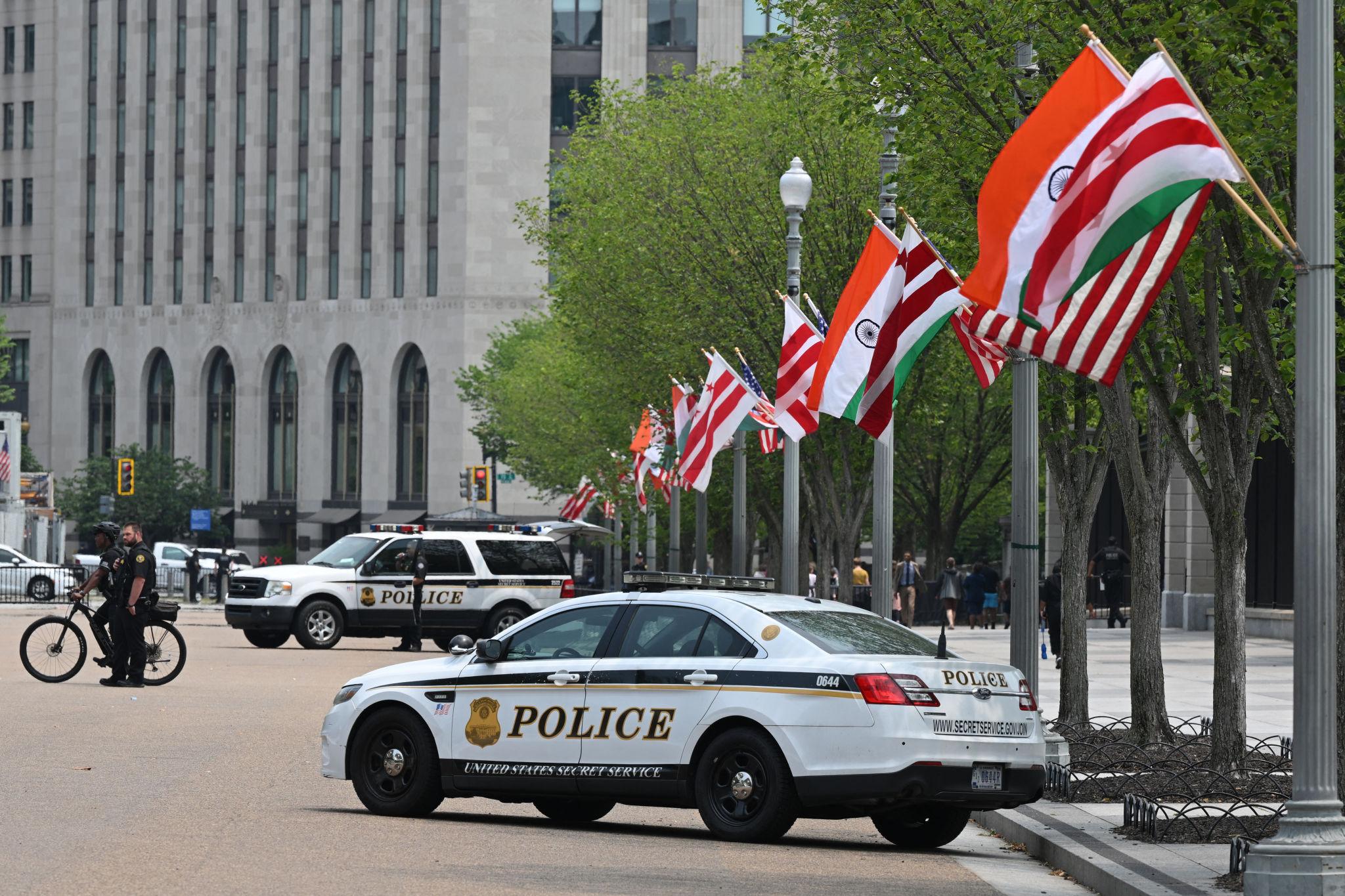
WASHINGTON. India and the United States achieved significant progress during a fresh round of India-US trade talks this week. The discussions took place in Washington, D.C., from April 20 to 23, focusing on a proposed Bilateral Trade Agreement (BTA). According to the Ministry of Commerce and Industry, both nations engaged in a constructive and forward-looking manner. The sessions covered critical areas such as market access, non-tariff measures, and technical barriers to trade. Officials also discussed customs facilitation, investment promotion, economic security alignment, and the complexities of digital trade. These meetings are part of an ongoing effort to finalise an interim trade agreement between the two global powers. Maintaining active engagement remains a priority to sustain the momentum generated during these India-US trade talks.
Strategic Framework and Reciprocal Benefits
The latest round follows a joint statement issued on February 7, which established a framework for an interim agreement. This framework focuses on creating reciprocal and mutually beneficial trade opportunities for both the Indian and American markets. During the India-US trade talks, both sides reaffirmed their commitment to advancing toward a full-fledged bilateral trade pact. Commerce and Industry Minister Piyush Goyal indicated that the first tranche of the agreement is nearing finalisation. India is specifically working to secure preferential market access to enhance the competitiveness of its exports. The proposed deal aims to reduce friction in the movement of goods and services across borders. This alignment is seen as a vital step toward a broader and more comprehensive economic partnership.
Negotiation Leadership and Tactical Progress
Chief negotiator Darpan Jain led the Indian delegation during the three-day intensive sessions with his American counterparts. His team worked to iron out key aspects of the interim deal to ensure a balanced outcome for both economies. The India-US trade talks addressed specific non-tariff measures that have historically hindered seamless commercial exchange. Both delegations expressed optimism about resolving outstanding issues related to digital trade and investment promotion. The focus remains on building a resilient supply chain that benefits from the technological strengths of both nations. Negotiators agreed that a phased approach would provide the necessary stability for a long-term trade relationship. Continued collaboration will help both countries navigate the evolving dynamics of the global economic landscape.
Future Outlook for Bilateral Commercial Ties
The successful conclusion of the interim deal will pave the way for a deeper strategic and economic alliance. Future negotiations will likely expand into high-technology manufacturing and sustainable energy trade. Minister Piyush Goyal remains confident that the final agreement will significantly boost the national export volume. Both Washington and New Delhi recognise the importance of this pact for regional economic security. Analysts predict that a formalised BTA will encourage more American firms to invest in the Indian manufacturing sector. Regular follow-up meetings are scheduled to ensure that the agreed-upon framework remains on track for implementation. In summary, the progress in Washington marks a transformative chapter for the future of Indo-US commercial relations.
India-US BTA Negotiation Status
| Parameter | Details / Metrics |
| Negotiation Venue | Washington, D.C. (April 20-23). |
| Primary Metric | India-US trade talks. |
| Indian Lead | Darpan Jain (Chief Negotiator). |
| Key Objective | Finalising the first tranche of the BTA. |
| Focus Areas | Market Access, Digital Trade, & Investment. |
| Strategic Goal | Reciprocal and Mutually Beneficial Trade. |
About the Author
