

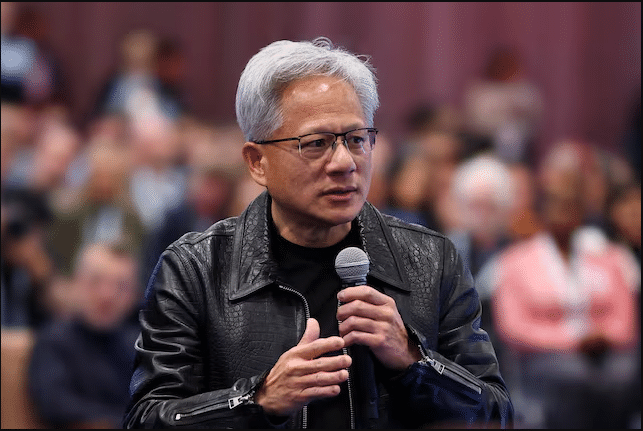
Nvidia’s board unanimously reinstated co-founder Jensen Huang as president, chief executive officer, and director on Monday, November 23, 2026—just 11 days after his sudden exit following reports of extramarital affairs, including an alleged relationship with a Chinese businesswoman suspected of links to Chinese intelligence. The reversal followed intense intervention from US President Donald Trump and heavy investor pressure, sending Nvidia shares surging roughly 33 per cent in trading and lifting AI-linked stocks.
Huang’s return marks a dramatic U-turn from just days earlier, when board chair Harvey C. Jones signalled the company had no plans to rehire him and Chief Financial Officer Colette Kress stepped in as interim CEO. Following the reinstatement, Kress returns to her role as CFO, while Nvidia faces ongoing federal inquiries, shareholder litigation, and sharp pushback from lawmakers over national security and export compliance.
Key Timeline and Governance Developments
White House Backing Meets Congressional Pushback
President Donald Trump publicly backed Huang’s reinstatement, stating on social media and in television interviews that the US government saw no national security threat and held no evidence of unlawful conduct by Huang. Trump said he had spoken directly and indirectly with board members to urge his return while calling on the company to maintain strict compliance with US export controls.
Reaction on Capitol Hill remained sharply divided. Democratic Senator Elizabeth Warren described the board’s decision as reckless and pressed for answers on export-control compliance, while Republican lawmakers including Senators Pete Ricketts and John Curtis questioned the circumstances of the reversal and called for congressional scrutiny and testimony regarding national security concerns.
Market Rebound and Lingering Legal Risks
Investors greeted Huang’s return with strong buying on hopes of continuity across Nvidia’s chip roadmap, major customer relationships, and ecosystem investments in cloud providers such as CoreWeave and Nebius. Analysts noted that the rally reflected market reliance on Huang’s leadership, even as some governance observers warned that the episode underscored heightened political involvement and complex compliance risks.
At the same time, Nvidia remains under a spotlight over advanced chip flows to China and third-country cloud arrangements. How effectively the new compliance structure, independent committee review, and legal responses hold up in court and before regulators will shape the next chapter for the chipmaker.
About The Author
