

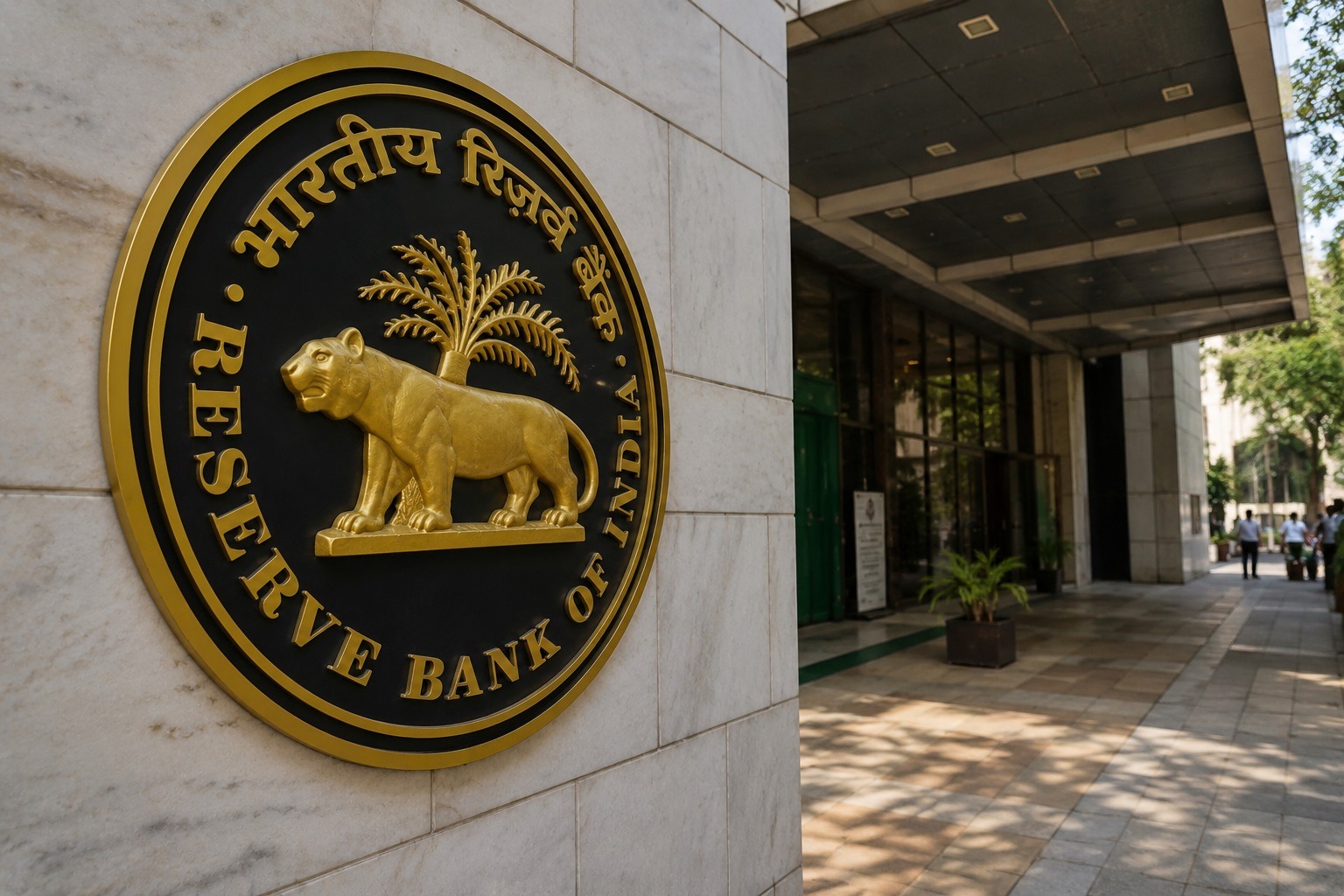
NEW DELHI. Recent fuel price hikes and higher import duties could push retail inflation to 5 per cent by June. Over an 11-day period starting May 15, petrol and diesel prices increased by over ₹7 per litre. These price shocks directly cascade into transport, storage, and electricity costs across the domestic economy. Additionally, the government raised import duties on gold and silver to 15 per cent on May 13. Analysts believe the Reserve Bank of India will adopt a wait-and-watch mode in the near term. The central bank will likely monitor the structural pass-through before adjusting key interest rates.
Impact on the Consumer Price Index
The cost-driven nature of current price pressures means conventional monetary tools may have limited immediate impact. Economists note that fuel price hikes affect both direct consumer spending and secondary manufacturing logistics. The 15 per cent duty on precious metals also threatens to elevate urban core inflation readings. High energy costs elevate the operational expenses of all manufacturing initiatives and logistics networks. Barclays India senior economist Rahul Bajoria stated that headline inflation might see a 40 basis point jump. This trajectory complicates the central bank’s medium-term target of anchoring retail inflation firmly at 4 per cent. Consequently, consumer purchasing power faces temporary compression across both rural and urban markets.
RBI Policy Stance and Interest Rate Outlook
The Monetary Policy Committee will likely hold the benchmark repo rate steady at 6.5 per cent. Economists at Crisil expect the central bank to retain its stance of withdrawal of accommodation. Sudden fuel price hikes prevent policy makers from shifting toward a dovish or accommodative interest rate cycle. The central bank must balance economic growth momentum with the necessity of checking secondary inflationary expectations. Analysts predict that any potential interest rate cuts will be deferred to the third quarter. Capital-intensive infrastructure projects depend heavily on long-term credit stability for planned expansions. Maintaining a cautious, data-dependent approach ensures that domestic financial markets remain insulated from volatile global commodity shocks.
Industrial Input Costs and Corporate Margins
Corporate India is adjusting its earnings projections as higher energy margins impact overall manufacturing profitability. The combination of fuel price hikes and metal duties increases raw material procurement expenses for factories. Logistics firms have already started floating fuel surcharges to offset the ₹7 per litre retail price increase. Fast-moving consumer goods and consumer durable sectors are particularly vulnerable to these sudden distribution cost spikes. Manufacturing clusters and automated distribution units must optimize power consumption profiles to save costs. Industry bodies hope that a favourable monsoon will ease food inflation to counter energy-led price gains. For now, corporate India remains watchful of the central bank’s upcoming monetary policy commentary.
Inflation Forecast and Macroeconomic Metrics (May 2026)
| Economic Parameter | Current Rate / Status | Projected Impact |
| Retail Inflation Target | 4.0% (RBI Anchor Target). | Expected to rise to 5.0% by June. |
| Fuel Price Increase | Over ₹7 Per Litre Spike. | Cascades into transport and supply chains. |
| Precious Metals Duty | Raised to 15% on May 13. | Adds pressure to urban core inflation. |
| RBI Repo Rate | 6.5% (Current Benchmark). | Expected to remain unchanged (Hold mode). |
| Policy Stance | Withdrawal of Accommodation. | Wait-and-watch approach maintained. |
About the Author
