

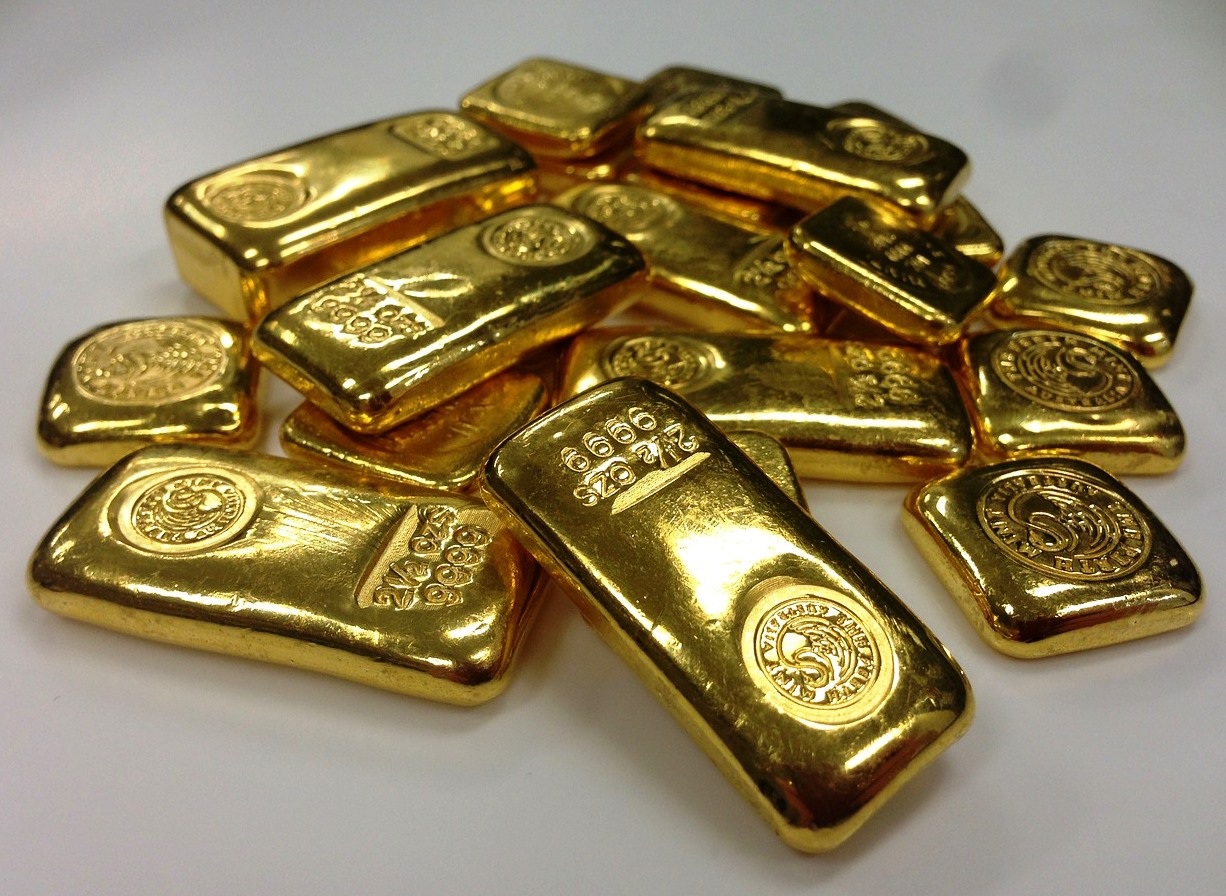
NEW DELHI. The international commodities market experienced a notable correction in safe-haven assets today. Gold and silver prices saw a sharp decline following optimistic signals from the White House regarding Middle Eastern diplomacy. President Donald Trump indicated a significant easing of tensions between the United States and Iran. This shift in rhetoric prompted investors to move capital away from defensive positions and back into riskier equities. In the international market, gold dropped to approximately $2,300 per ounce, while silver witnessed a proportional retreat. Sustaining stable gold and silver prices is often seen as a sign of reduced global anxiety. Market participants are now recalibrating their portfolios as the immediate threat of regional conflict appears to diminish.
Weakening Safe-Haven Demand
The primary reason for the price drop is the reduction in the geopolitical risk premium. Investors typically flock to precious metals during times of military or political uncertainty to protect their wealth. President Trump’s latest comments suggested a path toward de-escalation, which immediately impacted gold and silver prices globally. The news of easing US-Iran tensions led to a surge in treasury yields and a stronger dollar. These factors traditionally create downward pressure on non-yielding assets like bullion. Consequently, gold and silver experienced one of their most significant single-day retreats of the current quarter. Analysts noted that the “fear trade” is currently losing momentum as diplomatic channels reopen.
Impact on Domestic Retail Markets
The slide in international benchmarks has also influenced the domestic rates in major importing nations like India. Lower gold and silver prices have provided a timely window for retail consumers and jewellery manufacturers. Local bullion markets in Delhi and Mumbai reported a drop in prices, mirroring the global trend. This correction comes as a relief for households planning purchases for the upcoming wedding and festive seasons. The administration is monitoring the impact on the current account deficit as import volumes may rise. President Trump’s signal regarding Iran has effectively cooled the speculative fervour that previously drove prices to record highs. Retailers are now bracing for increased footfall as the metals become more affordable for the general public.
Future Outlook for Precious Metals
The long-term trajectory for these assets remains tied to the permanence of regional peace. While gold and silver prices have corrected, any fresh escalation could quickly reverse the current trend. Central banks continue to hold significant reserves, providing a fundamental floor for the market. However, the immediate focus of traders has shifted toward macroeconomic data and central bank interest rate decisions. The White House continues to emphasise a vision of global stability and energy security to foster economic growth. Monitoring the ongoing diplomatic dialogues will be essential for predicting future price movements in the metals sector. In summary, the easing of US-Iran tensions has marked a significant turning point for commodity investors this month.
Precious Metals Performance
| Metal | Market Movement | Primary Influence |
| Gold | Sharp Decline (~$2,300/oz) | Trump’s De-escalation Signals. |
| Primary Metric | Gold and silver prices | Reduced Safe-Haven Demand. |
| Silver | Proportional Slide | Easing US-Iran Geopolitical Risk. |
| Investor Sentiment | Risk-On Shift | Higher Yields & Stronger Dollar. |
| Official Source | White House Briefing | Diplomatic Re-engagement. |
About the Author
