

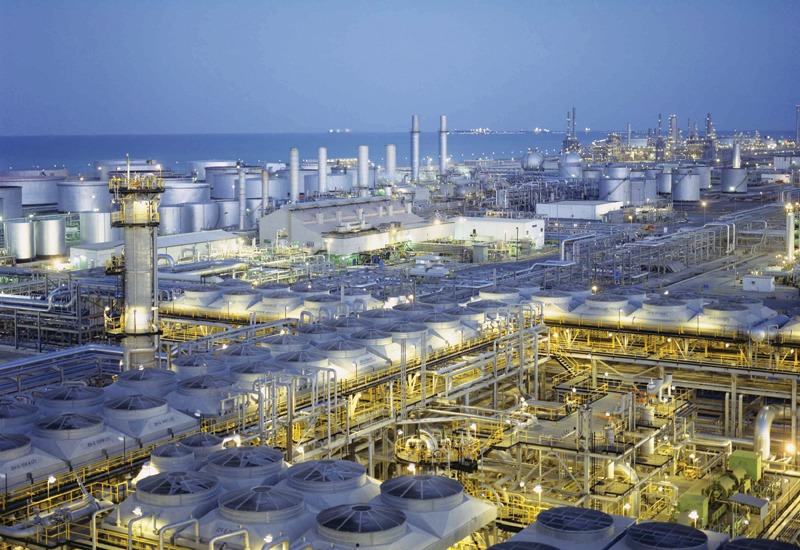
TEHRAN. Iran issued an evacuation warning for several major oil facilities across Saudi Arabia, the UAE, and Qatar today. State media reported that strikes would occur in the coming hours. This escalation significantly increases the risk of Gulf oil facility strikes across West Asia. The warning targeted the Samref Refinery and the Jubail Petrochemical Complex in Saudi Arabia. It also named the Al Hosn Gas Field in the United Arab Emirates (UAE). Qatar’s Mesaieed Petrochemical Complex and Mesaieed Holding Company are also at risk. Finally, the warning included the massive Ras Laffan Refinery. Iranian officials declared these centres legitimate targets for immediate Gulf oil facility strikes. They requested all citizens, residents, and employees to leave these areas immediately. Workers must move to a safe distance without any delay.
Retaliation for South Pars and Asaluyeh Attacks
This aggressive move follows recent attacks on Iranian facilities in South Pars and Asaluyeh. Israel coordinated those strikes with the United States (US), according to a senior Israeli official. Tehran now views regional energy infrastructure as a direct battlefield. The mere mention of Gulf oil facility strikes sent Brent crude prices toward $120 per barrel. Markets fear a total disruption of the global energy supply chain. Energy analysts calculate the potential consequences of Gulf oil facility strikes on global supply chains. A successful hit on Ras Laffan would paralyse a huge portion of the world’s liquefied natural gas trade.
Strategic Targets and Economic Vulnerability
The Samref Refinery serves as a critical hub for fuel production in Saudi Arabia. Similarly, the Jubail Petrochemical Complex supports a vast array of downstream industries. The Al Hosn Gas Field remains the backbone of the energy infrastructure in the United Arab Emirates. Disruption at these sites would trigger immediate shortages across the globe. The US Fifth Fleet currently monitors the region to prevent Gulf oil facility strikes. Navy assets have moved closer to the coastlines of Qatar and Saudi Arabia. Furthermore, the International Energy Agency (IEA) is preparing to release emergency oil reserves. Traders remain on high alert regarding Gulf oil facility strikes as the deadline approaches.
Geopolitical Fallout and Defence Response
International observers describe the current situation as the most dangerous in decades. The Organization of the Petroleum Exporting Countries (OPEC) has called for an emergency meeting. Most Asian economies depend heavily on the output from these specific refineries. Japan and India have expressed deep concern over the safety of their energy imports. Meanwhile, military units in the Gulf region have entered a state of maximum readiness. Anti-missile batteries now protect the Mesaieed and Jubail complexes around the clock. Any strike would likely lead to a full-scale regional conflict.
Finally, the global community waits for the expiration of the Iranian deadline. The path toward a diplomatic solution appears increasingly narrow. Most strategic firms have already evacuated their non-essential personnel from the danger zones. The world watches as the Persian Gulf prepares for a night of unprecedented tension. Future stability requires an immediate de-escalation of maritime and aerial hostilities. In summary, the energy world faces a crisis of historic proportions.
Gulf Evacuation Warning Details
| Target Facility | Country | Status / Warning |
|---|---|---|
| Samref Refinery | Saudi Arabia | Immediate Evacuation Ordered. |
| Jubail Petrochemical Complex | Saudi Arabia | Declared a “legitimate target.” |
| Al Hosn Gas Field | UAE | High-priority strike zone. |
| Ras Laffan Refinery | Qatar | Evacuation requested “without delay.” |
| Mesaieed Complex | Qatar | At risk of imminent strikes. |
| Asaluyeh / South Pars | Iran | Targeted by previous Israeli-US strikes. |
About the Author
