

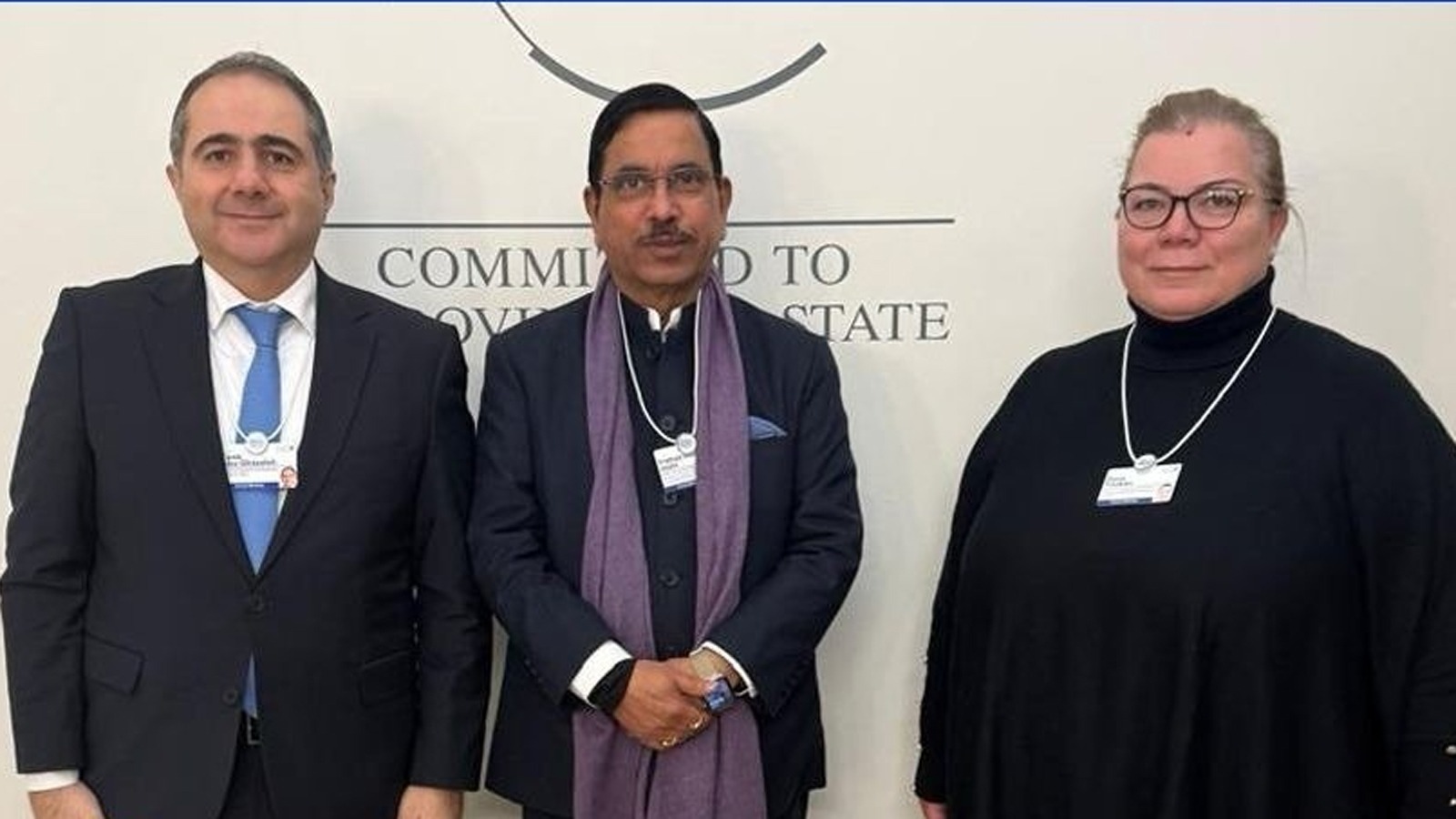
DAVOS. Pralhad Joshi showcases India’s clean energy led growth model at the World Economic Forum in Davos. The Union Minister addressed global leaders during a high-level session on sustainability. He highlighted India’s rapid transition towards a low-carbon economy. India is currently on track to reach 500 GW of non-fossil fuel capacity by 2030. This shift is a key part of the nation’s energy security strategy.
Strategic Shifts via Clean Energy
The Minister detailed the success of the National Green Hydrogen Mission. Pralhad Joshi showcases India’s clean energy potential as a global manufacturing hub. India aims to produce 5 million tonnes of green hydrogen annually by 2030. This will reduce carbon emissions in heavy industries like steel and shipping. The government is also offering significant incentives for domestic solar module manufacturing.
Furthermore, India has achieved its climate targets ahead of schedule. The share of non-fossil fuels in the energy mix is rising fast. Pralhad Joshi semphasised on massive public-private partnerships. These efforts are supported by robust policy frameworks and transparency. Global investors are now looking at India as a top destination for green finance.
Global Leadership and Sustainable Future
The dialogue at WEF also focused on energy equity and access. Minister Joshi noted that India provides energy to one-sixth of humanity. He showcased India’s clean energy model as a template for developing nations. It balances economic growth with environmental responsibility. The International Solar Alliance remains a central pillar of this global outreach.
Additionally, the Minister invited global tech firms to collaborate on battery storage. Reliable storage is essential for a stable renewable power grid. India is currently setting up mega-scale battery projects across the country. These innovations will ensure a continuous supply of clean power. This approach supports the broader “Viksit Bharat” vision for 2047.
Pralhad Joshi reiterated India’s clean energy journey as a testament to political will. The nation is proving that development and green energy can go hand in hand. India’s success in Davos reinforces its role as a responsible global power. The world now views India’s energy sector as a beacon of sustainable innovation.
About the Author
