

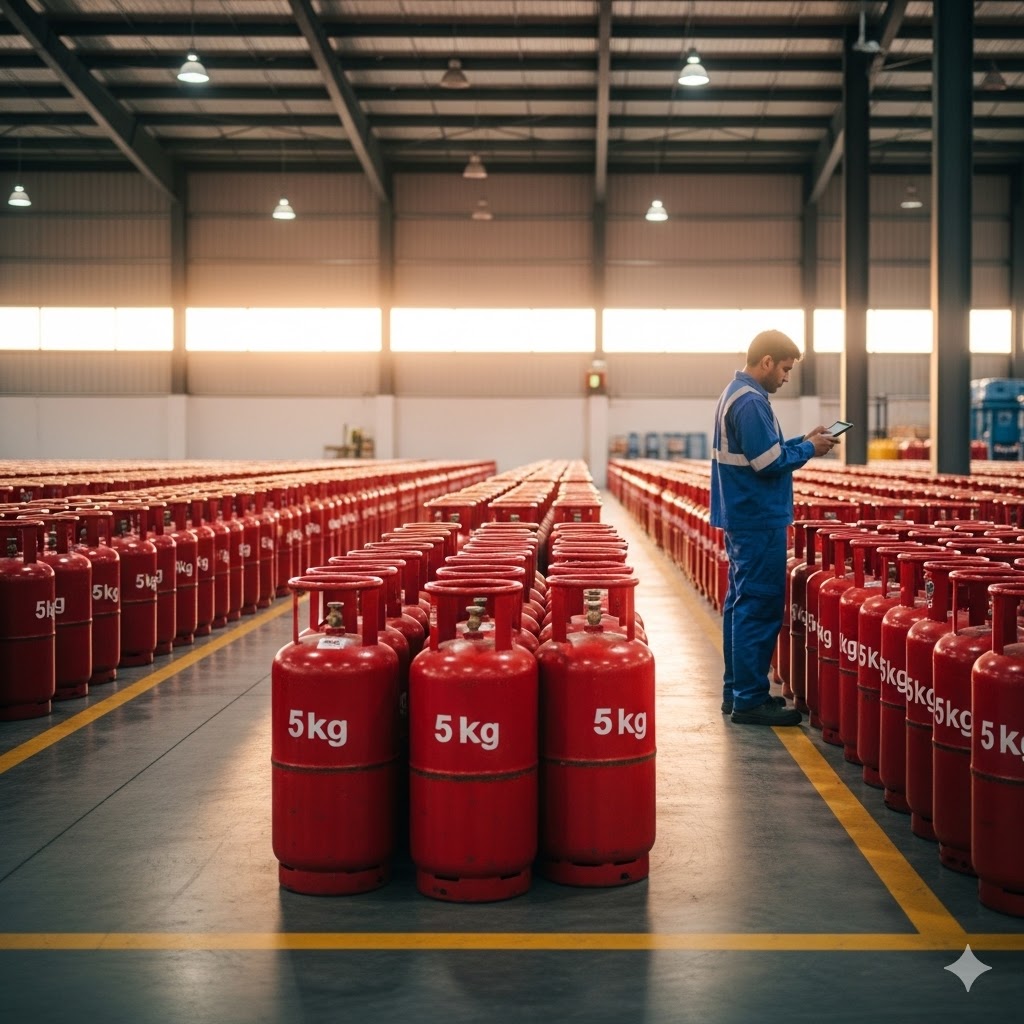
NEW DELHI. The Indian government held a comprehensive inter-ministerial briefing in New Delhi today to address the national energy position. Officials confirmed that the domestic LPG supply remains entirely stable with zero dry-outs reported in any state. Ministry of External Affairs (MEA) Spokesperson Randhir Jaiswal opened the session by highlighting the government’s proactive stance on regional stability. He stated that the administration is closely monitoring the geopolitical developments in West Asia to protect essential trade. Ensuring an uninterrupted domestic LPG supply involves constant coordination between the diplomatic, shipping, and petroleum sectors. Jaiswal emphasised that the government remains in touch with regional partners to maintain the flow of energy imports. This collective briefing aimed to dismiss concerns regarding the impact of maritime tensions on household fuel availability.
Maritime Security and Gulf Logistics
Additional Secretary (Gulf) in the MEA, Aseem R. Mahajan, provided specific insights into the security of the energy corridors. He clarified that the diplomatic channels remain open to ensure the safe passage of tankers through the Strait of Hormuz. Mahajan asserted that the domestic LPG supply is currently shielded from the immediate effects of the regional maritime blockade. Director in the Ports and Shipping Ministry, Mandeep Singh Randhawa, detailed the operational readiness of the Indian maritime fleet. He noted that Indian vessels carrying LPG are receiving necessary naval escorts in sensitive waters to prevent disruptions. Randhawa confirmed that the turnaround time at major Indian ports remains optimal for energy shipments. These combined efforts prevent any bottlenecking of raw materials required for national bottling operations.
Inventory Management and Petroleum Data
Petroleum Secretary Sujata Sharma outlined the technical aspects of the national stock levels during the session. She confirmed that the country currently holds a fifteen-day buffer for the domestic LPG supply across all regions. Sharma noted that oil marketing companies have successfully ramped up bottling activities to meet the summer demand spike. The inter-ministerial group reviewed the status of the “Ujjwala” distribution network to ensure rural areas remain well-supplied. Data presented during the briefing showed that the movement of bulk LPG from refineries to hubs is functioning at 100% capacity. Officials reiterated that there is no need for panic booking as the inventory remains in a surplus state. The government continues to utilise real-time digital monitoring to oversee every segment of the LPG value chain.
Strategic Outlook for Energy Connectivity
The briefing concluded with a joint assurance regarding the long-term resilience of India’s energy infrastructure. Future strategies include further diversifying the sources of LPG imports to mitigate any single-point regional risks. Maintaining a robust domestic LPG supply is vital for the economic stability and well-being of the population. The MEA and Shipping Ministry plan to conduct regular risk assessments of the Arabian Sea routes in the coming weeks. Sujata Sharma and Randhir Jaiswal both emphasised the importance of relying on official government communications during this period. The administration remains committed to providing transparent and timely updates on the national fuel situation. In summary, the inter-ministerial coordination ensures that the cooking gas supply remains secure and uninterrupted for all citizens.
Inter-Ministerial Briefing Details
| Official | Ministry / Role | Key Input |
| Randhir Jaiswal | MEA Spokesperson | Monitoring regional stability and trade. |
| Aseem R. Mahajan | MEA (Additional Secretary) | Diplomatic security of Gulf energy corridors. |
| M. Singh Randhawa | Ports and Shipping (Director) | Naval escorts and port turnaround efficiency. |
| Sujata Sharma | Petroleum (Secretary) | 15-day stock buffer; zero dry-outs. |
| Primary Metric | domestic LPG supply | Status: Stable and Surplus. |
About the Author
