

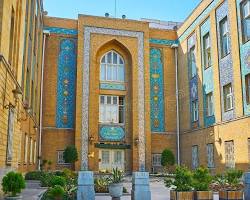
TEHRAN. The Iranian government officially rejected taking part in the second round of Islamabad peace talks with the United States today. Foreign Ministry spokespersons stated that negotiations cannot proceed while the American maritime blockade remains in full force. This decision follows a brief period of diplomatic optimism after Pakistan offered to host the high-level summit. Tehran described the US naval presence in the Persian Gulf as a “hostile act of aggression” that undermines the spirit of dialogue. The refusal to attend the Islamabad peace talks sends global energy markets into a new state of high-alert and uncertainty. Most international observers now fear that the window for a peaceful resolution is rapidly closing this month.
Collapse of the Islamabad Peace Talks Framework
Diplomatic sources in Islamabad expressed deep disappointment over the sudden withdrawal of the Iranian delegation. Pakistan had already finalised the logistics and security for the Islamabad peace talks at the neutral venue. However, Tehran insists that any further discussion requires the immediate lifting of all shipping restrictions in the Strait of Hormuz. The US administration responded by stating that the blockade will only end once Iran provides verifiable security guarantees. This “stalemate of conditions” has effectively paralysed the mediation efforts led by the Pakistani Foreign Ministry. The collapse of the Islamabad peace talks framework leaves both military forces in a state of direct confrontation.
Regional Reactions and Military Readiness
Neighbouring Gulf nations called for an emergency meeting of the Arab League to discuss the diplomatic breakdown. Several reports suggest that the Iranian Navy has increased its patrol frequency near the blockade lines since the announcement. The rejection of the Islamabad peace talks has prompted the US Fifth Fleet to enhance its surveillance of Iranian coastal batteries. Global shipping conglomerates are now rerouting vessels away from the northern Gulf to avoid potential maritime skirmishes. China and the European Union have urged Tehran to reconsider its stance to prevent a wider regional war. However, the current political climate in Tehran shows a preference for “strategic patience” over immediate diplomatic concessions.
Impact on Global Energy and Trade Corridors
The failure of the second round of negotiations led to a sharp increase in the price of crude oil futures this evening. Industry experts warn that the end of the Islamabad peace talks could result in long-term supply chain disruptions. Insurance companies have once again hiked premiums for all commercial traffic entering the Arabian Sea. International trade organisations express concern over the potential for a total closure of the strategic energy corridor. Pakistan remains hopeful that a back-channel dialogue might eventually lead to a resumption of formal sessions. For now, the focus of the international community shifts from the table of diplomacy to the waters of the Persian Gulf.
Diplomatic Status Update
| Parameter | Details / Status |
| Status of Dialogue | Officially Rejected by Iran. |
| Primary Metric | Islamabad peace talks. |
| Iranian Condition | Immediate lifting of the US blockade. |
| US Stance | Blockade remains until security guarantees met. |
| Market Impact | Oil prices surged; insurance premiums increased. |
| Mediation Status | Stalled; Pakistani officials seeking new routes. |
About the Author
