

 India is likely to see higher fertiliser subsidy spending during the current financial year. Officials expect the subsidy bill to exceed the budget estimate of ₹1.71 lakh crore. Rising global prices and higher import costs are driving this increase.
Fertiliser Subsidy India Faces Rising Cost Pressure
The Fertiliser subsidy India outlook faces pressure from global market trends. Rising prices of urea and other fertilisers are increasing subsidy requirements. Officials confirmed that costs have moved upward in recent months.
The West Asia crisis has disrupted global supply chains and increased input costs. These disruptions have raised procurement expenses for imported fertilisers. Authorities continue to monitor price movements and assess the financial impact.
Supply Remains Stable for Kharif Season
The Fertiliser subsidy India situation has not affected domestic availability. Authorities are maintaining strong and stable fertiliser supply for the kharif season. They are coordinating production and imports to ensure timely availability.
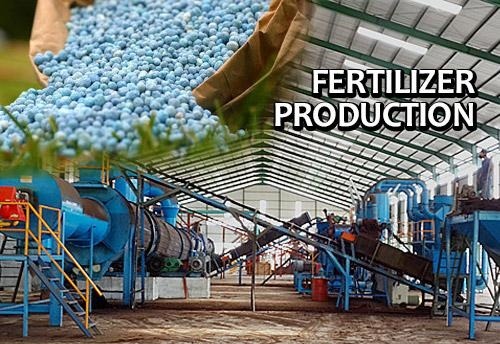
Domestic producers supplied about 67.76 lakh tonnes during March and April. This output includes urea, DAP, NPK and SSP fertilisers. Importers added around 17 lakh tonnes to support domestic supply.
Government agencies coordinated logistics with port and external affairs authorities. These efforts ensured uninterrupted supply despite global challenges.
Production Targets and Import Plans Strengthen Readiness
The Fertiliser subsidy India strategy includes firm production targets for upcoming months. Authorities have set May targets for urea, DAP and NPK output. They are also restarting urea plants after securing gas supply.
Officials have processed global tenders to procure additional fertilisers. Suppliers are expected to deliver urea shipments between May and June. Authorities have also floated a tender for 19 lakh tonnes of NPK fertilisers.
These measures will support peak seasonal demand and stabilise supply conditions.
Demand Planning and Stocking Improve Preparedness
The Fertiliser subsidy India framework includes detailed demand planning for the kharif season. The agriculture ministry has estimated total requirement at over 390 lakh tonnes. States have already stocked nearly 50 percent of this demand.
Authorities have mapped state-wise demand to ensure efficient distribution. They are holding regular coordination meetings with state governments. They will activate a 24×7 contingency system to handle redistribution challenges.
Officials continue to track supply and pricing trends closely. They are focusing on maintaining availability while managing rising subsidy costs.
About the Author
