

Photo by <a href="https://unsplash.com/@kylelvpc?utm_source=unsplash&utm_medium=referral&utm_content=creditCopyText">kyle lvpc</a> on <a href="https://unsplash.com/photos/city-skyline-shrouded-in-hazy-warm-light-NTLVIoqJU-Y?utm_source=unsplash&utm_medium=referral&utm_content=creditCopyText">Unsplash</a>
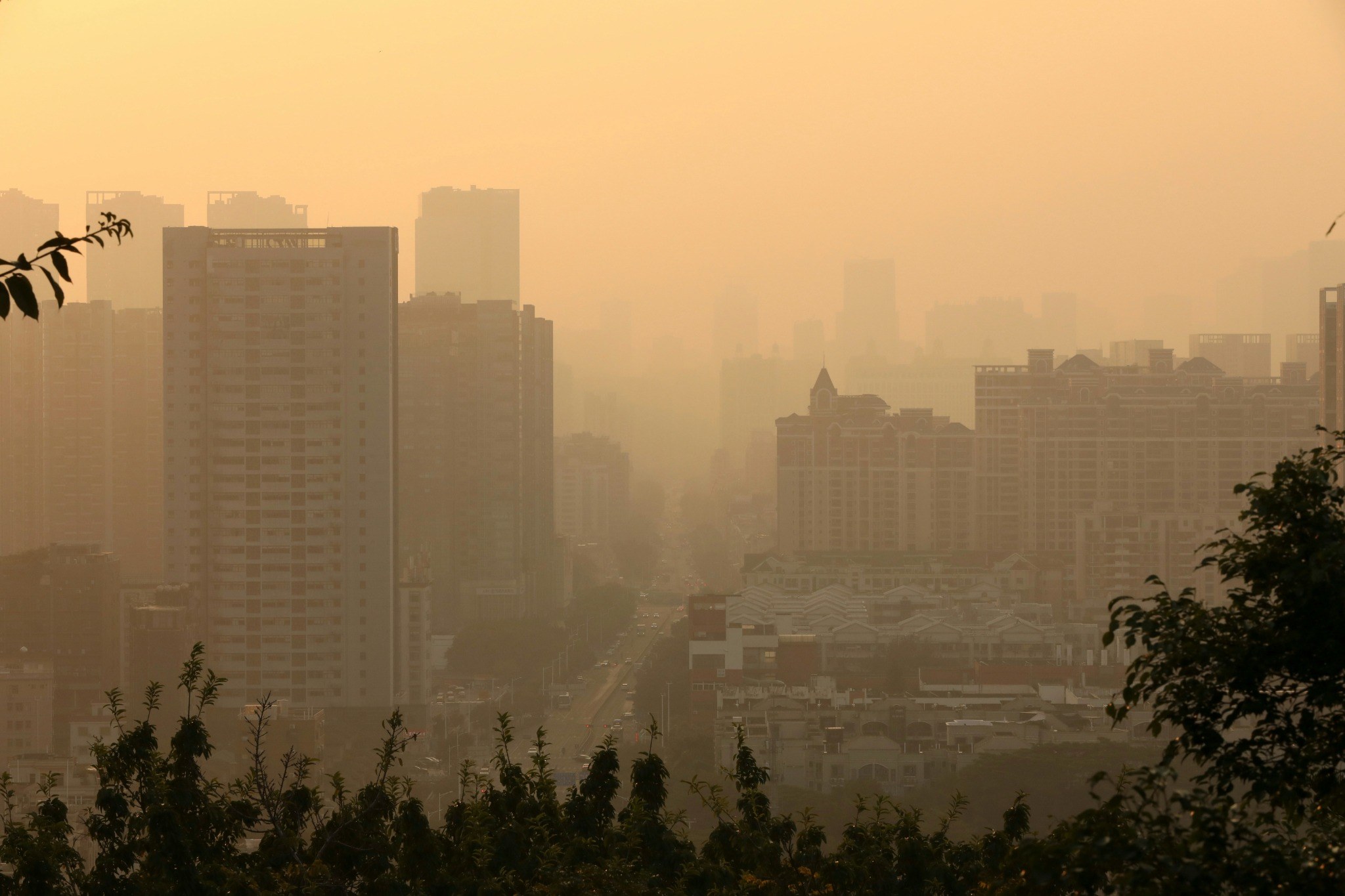
Air quality metrics recorded across New Delhi and northern industrial corridors deteriorated into the ‘Severe’ category on Tuesday, 3 November 2026. Data published by the Central Pollution Control Board (CPCB) showed overall Air Quality Index (AQI) values crossing 420 across several urban monitoring stations.
Despite annual regulatory interventions by the Commission for Air Quality Management (CAQM), seasonal air degradation persists. The winter smog crisis highlights a fundamental disconnect between national environmental directives and ground-level agricultural economics.
                 SEASONAL AIR POLLUTION CRISIS DYNAMICS

    +-----------------------------------------------------------+
    |               Winter Atmospheric Inversion                |
    |          (Low Temperatures & Trapped Pollutants)          |
    +-----------------------------+-----------------------------+
                                  |
                                  v
    +-----------------------------------------------------------+
    |               Primary Emission Drivers                    |
    +-----------------------------+-----------------------------+
                                  |
            +---------------------+---------------------+
            |                                           |
            v                                           v
+-----------------------+                   +-----------------------+
| Agricultural Factors  |                   | Industrial & Urban    |
| - Tight Paddy-Wheat   |                   | - Vehicular Exhaust   |
|   Sowing Window       |                   | - Thermal Power Plant |
| - High Cost of Happy  |                     Emissions             |
|   Seeder Operations   |                   | - Dust Construction   |
+-----------------------+                   +-----------------------+
The Agricultural Economic Dilemma Driving Field Fires
Agricultural economists point out that paddy farmers face an extremely tight two-week window between harvesting rice and sowing winter wheat. While government schemes offer subsidies for crop residue management machinery—such as Happy Seeders and bio-decomposers—smallholder farmers find operating costs prohibitively high.
Running heavy machinery requires higher diesel consumption, adding roughly ₹3,000 per acre to farmer production costs. Without direct cash incentives offsetting operational expenses, farmers burn crop stubble to clear fields quickly, prioritizing economic survival over regional air quality mandates.
+--------------------------------+-------------------------------------------------------+
| Environmental Index / Metric   | Recorded Value & Operational Benchmark                |
+--------------------------------+-------------------------------------------------------+
| National Capital Region AQI    | Breached 420 ('Severe' Category Threshold)            |
| Primary Hazardous Pollutant    | PM2.5 (Fine Particulate Matter 8x Above Safe Limits)  |
| Paddy-Wheat Sowing Window      | 10 to 14 Days (Forcing Rapid Field Clearing)          |
| Machinery Operational Cost     | ~₹3,000 per acre added fuel cost for residue tillers   |
+--------------------------------+-------------------------------------------------------+
Industrial Enforcement Gaps and Urban Health Disparities
Beyond agricultural fires, year-round urban pollution sources exacerbate winter air toxicity. Unpaved road dust, vehicular emissions, and delayed flue-gas desulfurization (FGD) installations at nearby coal-fired power plants maintain elevated baseline particulate levels.
Furthermore, emergency measures under the Graded Response Action Plan (GRAP)—such as stopping construction activity—impose severe financial losses on daily-wage construction workers. Consequently, emergency bans penalize vulnerable urban workers without solving systemic pollution drivers.
Ultimately, seasonal smog cannot be resolved through reactive bans alone. Therefore, long-term environmental policy must align agricultural subsidies with sustainable crop diversification and industrial enforcement.
About The Author
